Author: APN Communication Directorate

  • Press Release: Day 4 of the Africa Prosperity Dialogues (APD): Gabon’s Vice President leads high-level delegation to APN Secretariat in strategic closed-door meetings

    Press Release: Day 4 of the Africa Prosperity Dialogues (APD): Gabon’s Vice President leads high-level delegation to APN Secretariat in strategic closed-door meetings

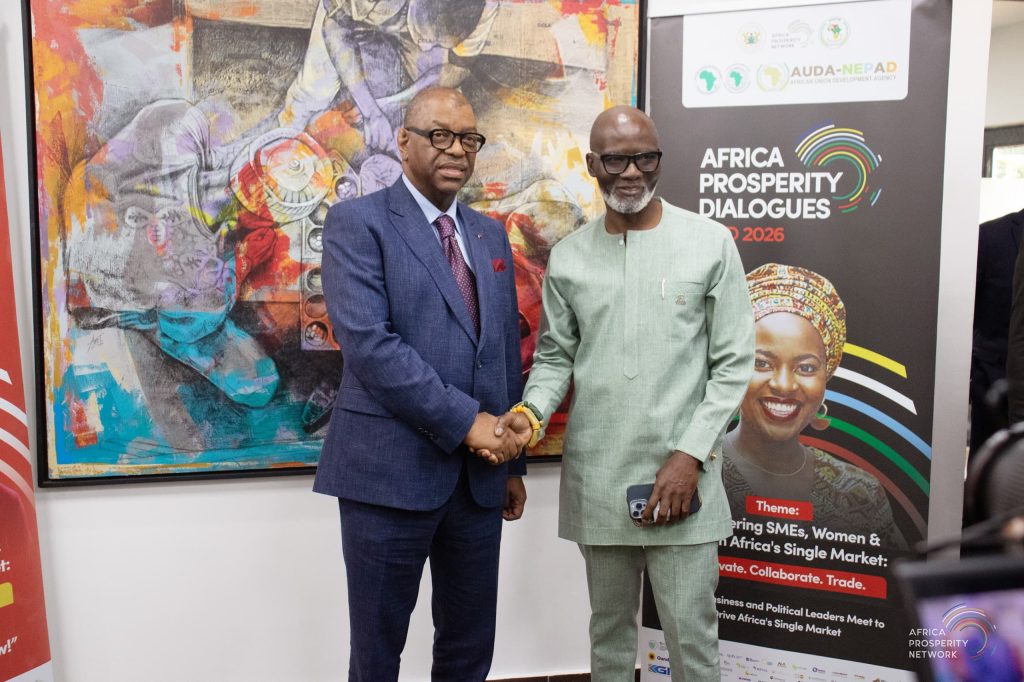
    Accra, Ghana – 8 February 2026 – The Africa Prosperity Network (APN) hosted a series of strategic closed-door meetings on the fourth day of the Africa Prosperity Dialogues (APD) 2026, headlined by a high-level visit from Gabon’s Vice President, H.E. Barro Chambier Alexandre, to the APN Secretariat.

    The Vice President led a senior Gabonese delegation that engaged with the Secretary-General of the African Continental Free Trade Area (AfCFTA), H.E. Wamkele Mene, in discussions focused on Gabon’s economic reform agenda and the country’s strategic priorities under the continental trade framework.

    In a press statement after the meeting, H.E. Wamkele Mene and H.E. Barro Chambier Alexandre spoke about the strategic trade policy discussions. The closed-door session brought together four senior officials from Gabon and four representatives from the AfCFTA Secretariat to explore critical areas, including the finalisation of Gabon’s tariff concession list, enacting necessary trade legislation, and signing the implementation decree to enable exports through the AfCFTA framework.

    Secretary-General Mene highlighted the immense opportunities available to Gabon within Africa’s single market of 1.5 billion people, urging the country to leverage the AfCFTA as it embarks on a renewed economic reform agenda following its recent political transition.”At the heart of that agenda, what I understood from the Vice President, is market diversification, leveraging the AfCFTA,” Mr Mene stated in remarks to the media following the meetings. He expressed satisfaction that Gabon is re-engaging with the African Union and reclaiming its leadership role within Central Africa.

    A Borderless Africa Gains Momentum

    In a significant show of political commitment, Vice President Alexandre affirmed Gabon’s full support for the “Make Africa Borderless Now!” movement, the groundbreaking campaign launched at APD 2026 that envisions a continent where Africans can move freely across borders without visa restrictions. The movement, which seeks to mobilise 10 million signatures in support of visa-free travel across the continent, represents a watershed moment for African integration. Citizens across the continent and throughout the diaspora are being urged to add their voices to this historic campaign by signing the petition, transforming the aspiration of a truly borderless Africa from a distant dream into an actionable mandate.

    The campaign’s twelve priority action points draw largely from existing protocols and treaties, underscoring that the infrastructure for a borderless Africa already exists; what is needed now is the political will and popular support to implement it. Secretary-General Mene addressed the continental vision during his press briefing, noting that whilst only four of the African Union’s 55 member states have ratified the Protocol on Free Movement of Persons, several countries, including Ghana, Nigeria, Rwanda, and Kenya, have taken unilateral steps to improve visa openness, demonstrating that progress is both possible and practical.

    Bilateral Commitments to Integration

    The Gabonese delegation, accompanied by APN’s Executive Chairman Gabby Asare Otchere-Darko and board members Vanessa Roux and Kweku Sakyi Addo, also held a courtesy meeting with Ghana’s Minister of Foreign Affairs and Regional Integration, Samuel Okudzeto Ablakwa.

    Minister Ablakwa expressed the Ghanaian government’s full support for the borderless campaign, revealing that Ghana had just concluded a visa-free travel agreement with Zambia earlier in the week. He also discussed the possibility of a similar bilateral agreement between Ghana and Gabon, signalling both countries’ commitment to facilitating easier movement for their citizens.

    Digital Innovation for Financial Integration

    Addressing questions on continental financial convergence, Mr Mene acknowledged that whilst a common African currency remains a key long-term vision requiring significant macroeconomic alignment, Africa could explore innovative pathways through digital instruments and emerging financial technologies.

    “In the advancements of the digital economy, there are other instruments that we can look at which can enable us to move much faster,” he said, referencing the potential of interoperable digital payment systems that would allow Africans to trade without converting currencies through the dollar, a key action point within the “Make Africa Borderless Now!” movement.

    Expanding the Global Africa Narrative

    Day 4 also featured discussions between APN Chairman Otchere-Darko and Marilyn Sophocle, President of the US-based Women Ambassadors Foundation and Howard University professor, exploring the strategic expansion of APN’s annual Global Africa Forum. Secretariat Ms Sophocle was accompanied by Pascal Meslien, a French Caribbean Africa policy consultant and businessman, and Lucrèce Meslien of Comité de la Marche ’98, a French association that advocates for the recognition of Afro-descendants in French jurisdictions.

    “We want Global Africans not to only see Africa’s integration just as a moral obligation, but also as a profitable venture,” said Mr Otchere-Darko, arguing that Africa’s global perception directly impacts the dignity of people of African descent worldwide. Ms Sophocle, also founder of the African-American and Afro-European Transatlantic Forum, proposed a partnership between APN’s Global Africa Forum, the Women Ambassadors Foundation, and the Organisation of American States to build a comprehensive platform. “The economic contribution of Global Africans towards bankable development projects will serve both as a moral good and a profitable investment,” she said.

    Mr Otchere-Darko proposed expanding the forum to a two-day event, with the New York meeting continuing to focus on the UN General Assembly, whilst a Washington, D.C. meeting would engage the Women Ambassadors Foundation, the Organisation of American States, and academia from Historically Black Colleges and Universities.

    The Africa Prosperity Dialogues 2026 continues to serve as a critical platform for advancing continental integration, economic transformation, and strategic partnerships across Africa and the global African diaspora.

    Join the Movement

    Members of the public who wish to support the vision of a borderless Africa are encouraged to sign the “Make Africa Borderless Now!” petition and add their voice to this historic continental movement.

    About the Make Africa Borderless Now! Movement

    The Make Africa Borderless Now! movement is a transformative initiative driving towards the realisation of a unified African market. By advocating for the elimination of barriers to trade, travel, and economic activity, the movement seeks to unlock Africa’s full economic potential and improve the quality of life for all Africans, both on the continent and across the diaspora.

    Africa Prosperity Network

    The Africa Prosperity Network is a leading Pan-African organisation dedicated to advancing economic integration, sustainable development, and shared prosperity across the African continent. Through strategic initiatives, thought leadership, and collaborative partnerships, the Network works to create an enabling environment for Africa’s economic transformation.

    For More Enquiries, contact:

    Africa Prosperity Network, Communication Directorate
    Tel: +233 20 136 9105
    Email: comms@africaprosperity.network
    Web: www.africaprosperitynetwork.com

    END

    SIGNED:

    Africa Prosperity Network – Communication Directorate

    Distributed to all African and international media houses

  • Africa Prosperity Network Announces Winner of Historic “Make Africa Borderless Now!” Logo Design Competition

    Africa Prosperity Network Announces Winner of Historic “Make Africa Borderless Now!” Logo Design Competition

    Pan-African Movement Receives Over 1,000 Entries from All Six Regions of Africa

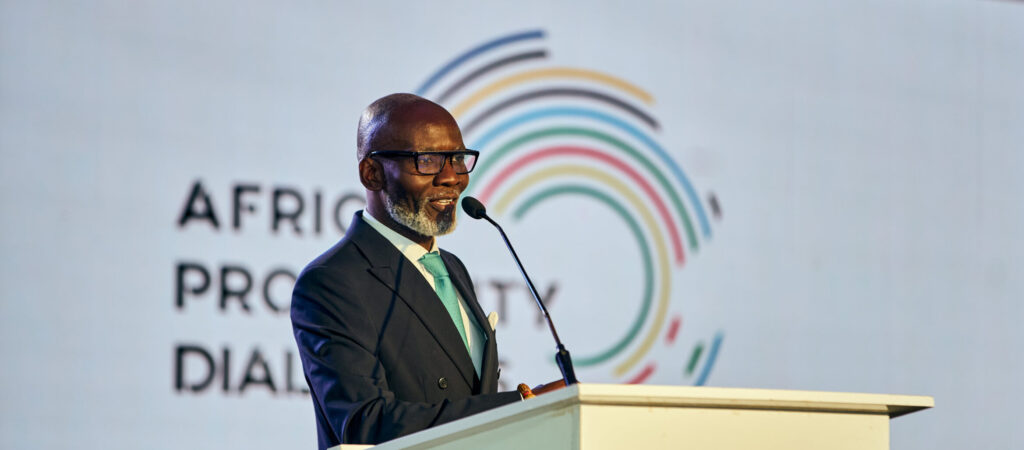
    Accra, Ghana, 2 February 2026 — The Africa Prosperity Network is delighted to announce that a winning design has been selected for the Make Africa Borderless Now! movement logo, following an overwhelming response from creative talent across the continent and the global African diaspora.
    The competition, which was announced on 14 January 2026 with an initial deadline for winner announcement set for 26 January 2026, attracted an exceptional 1,041 entries from designers representing all six regions of Africa: East, West, North, South, Central, and Global Africa (the diaspora). Due to the overwhelming response to the call for entries and our commitment to giving each design thorough consideration, the announcement date was extended to ensure a comprehensive and fair evaluation process. This remarkable participation demonstrates the widespread enthusiasm for the movement’s vision of a unified, borderless Africa with seamless trade, travel, and economic integration.

    The rigorous, multi-stage selection process carefully evaluated each submission based on creative excellence, conceptual clarity, and alignment with the Make Africa Borderless Now! vision. The competition progressed through four competitive rounds:

    • First Round: 541 entries advanced from the initial submissions
    • Second Round: 80 designs shortlisted for detailed evaluation
    • Third Round: 10 finalists selected for final consideration
    • Final Round: 5 exceptional designs competed for the top honour

    The Africa Prosperity Network Board of Directors determined the final winner. Having carried the majority of votes in both the final and penultimate rounds, the winning design stood out for its exceptional ability to capture every aspect of the Make Africa Borderless Now! concept. The clarity expressed in both the visual design and the winner’s accompanying description powerfully speaks to the single market agenda, embodying the campaign’s vision for unrestricted movement of people, goods, services, and capital across the African continent.

    The winning logo will be officially unveiled on the third day of the Africa Prosperity Dialogues 2026 at the Accra International Conference Centre, Ghana, during the formal launch of the “Make Africa Borderless Now!” movement. This momentous occasion will mark the beginning of a continent-wide movement to accelerate African economic integration and prosperity.

    About the Make Africa Borderless Now! Movement

    The Make Africa Borderless Now! movement is a transformative initiative driving towards the realisation of a unified African market. By advocating for the elimination of barriers to trade, travel, and economic activity, the movement seeks to unlock Africa’s full economic potential and improve the quality of life for all Africans, both on the continent and across the diaspora.

    Africa Prosperity Network

    The Africa Prosperity Network is a leading Pan-African organisation dedicated to advancing economic integration, sustainable development, and shared prosperity across the African continent. Through strategic initiatives, thought leadership, and collaborative partnerships, the Network works to create an enabling environment for Africa’s economic transformation.

    For More Enquiries, contact:

    Africa Prosperity Network, Communication Directorate
    Tel: +233 20 136 9105
    Email: comms@africaprosperity.network
    Web: www.africaprosperitynetwork.com

    END

    SIGNED:

    Africa Prosperity Network – Communication Directorate

  • Africa’s Single Market Will Fail Without a Supranational Court

    Africa’s Single Market Will Fail Without a Supranational Court

    By Gabby Asare Otchere-Darko

    Picture this: over a century ago, in the stately halls of Berlin, seven European powers, Britain, France, Portugal, Germany, Belgium, Spain, and Italy, gathered to carve up Africa with rulers and pens. Between 1884 and 1914, they imposed borders that severed communities, fractured economies, and disrupted centuries-old trade routes. Only Liberia and Ethiopia escaped this colonial cartography.
    The Nigerian scholar Olyae mi Akinwumi captures this tragedy starkly: “The partition of Africa was done without any consideration for the history of the society… It inflicted irreparable damage on Africa, damage that many countries still suffer today.” These lines, drawn in European capitals, became the prison bars of our modern nations. It is at the heart of Africa’s development crisis.

    When the Organisation of African Unity was formed in 1963, Africa’s leaders chose pragmatism: preserve these colonial borders “for now,” prioritising peace over unity. Paradoxically, six decades later, those same lines remain fiercely protected, even as they undermine Africa’s economic consolidation potential.

    Now, with the African Continental Free Trade Area (AfCFTA), we stand at a historic threshold. AfCFTA promises to be the world’s largest free trade area by membership. With 1.5 billion people and $3.4 trillion in GDP, the size of this economy, if combined, is projected to double by 2035. It is the boldest attempt since independence to transform Africa’s fragmentation into continental strength. But here is the hard truth: without a supranational court to enforce its rules, AfCFTA will remain a hollow aspiration.

    The AfCFTA’s Dispute Settlement Body: Important but Insufficient

    At the heart of AfCFTA’s legal architecture is the Dispute Settlement Body (DSB), modelled more on the Organisation (WTO) system. The DSB is composed of representatives of member states and oversees panels that adjudicate disputes between states concerning trade in goods, services, and investment. In theory, it can authorise retaliatory measures if a state fails to comply with a ruling.

    But there are four critical limitations:

    1. State-to-State Focus – Only governments can bring disputes. The private sector, SMEs, traders, and investors, who are the true drivers of AfCFTA, have no standing. This leaves most cross-border trade conflicts unresolved or politicised.
    2. Ad Hoc Nature – Panels are set up on a case-by-case basis and lack permanence, which slows proceedings and undermines consistency in legal interpretations across the continent.
    3. Political Enforcement – Compliance relies heavily on peer pressure and diplomacy rather than binding enforcement mechanisms. There are no automatic penalties or sanctions to deter breaches.
    4. Fragmentation with Regional Blocs – The DSB must navigate overlaps with ECOWAS, SADC, EAC, and other regional courts and protocols, creating confusion and jurisdictional gaps.

    This system, while a step forward, is designed for isolated trade disputes, not for deep market integration. It cannot resolve the daily frictions that SMEs face at borders, nor can it guarantee the uniform application of AfCFTA rules across 54 diverse legal jurisdictions. For that, Africa needs a permanent supranational court with authority over national law.

    The Missing Judicial Pillar

    Contrast the DSB’s limitations with the European Union’s Court of Justice (CJEU). Through doctrines of primacy and direct effect, EU law overrides conflicting national law, even constitutions. Two landmark rulings illustrate this:

    • Costa v ENEL (1964): An Italian citizen challenged Italy’s nationalisation of its electricity sector, claiming it violated European Community law. The CJEU ruled that European law is supreme over conflicting national laws, even those enacted later, establishing the doctrine of primacy as the cornerstone of Europe’s single market.
    • Factortame (1990): Spanish fishermen contested the UK’s Merchant Shipping Act, which limited foreign ownership of British fishing vessels. The CJEU held that UK courts must disapply domestic laws that conflict with EU law, even if passed by Parliament, cementing the doctrine that national legislation must yield to supranational commitments.

    Without such rulings, Europe’s “four freedoms”, namely, movement of goods, services, people, and capital, would have remained aspirational slogans rather than enforceable rights.

    Lessons from the United States

    The United States offers another powerful precedent. Its single market emerged not by political consensus alone but through federal court rulings that entrenched federal supremacy over state laws.

    • McCulloch v. Maryland (1819): The Supreme Court ruled that states could not tax or obstruct federal institutions, cementing the doctrine of federal supremacy.
    • Gibbons v. Ogden (1824): The Court struck down New York’s attempt to regulate steamboat trade, affirming federal authority over interstate commerce as the cornerstone of America’s single market.
    • Heart of Atlanta Motel v. United States (1964): The Court used federal commerce powers to enforce civil rights in private businesses, showing how market integration could drive broader societal progress.

    These rulings and many others transformed 13 fractious colonies into the seamless $27 trillion economy we know today. The principle is clear: a single market requires enforceable supremacy of continental law over domestic law.

    The Cost of Weak Enforcement

    If Africa had such a court today, with binding “disapplication” powers to override conflicting national laws:

    • Free Movement Protocols would be enforceable. Ghanaians and Nigerians would not face retail restrictions or harassment when trading in each other’s markets.
    • The Single African Air Transport Market would be operational, ending fragmented bilateral air agreements that keep intra-African flights costly.
    • Visa-Free Africa would be real, allowing Africans to move, trade, and invest across borders with dignity.

    Digital trade would be accelerated. This would ensure the mandatory rollout of the Pan-African Payments and Settlement System (PAPSS), for example, rather than the voluntary or discretionary approach we have.

    PAPSS and Mobile Money: A Silent Revolution

    It must be stressed that PAPSS and continent-wide mobile money interoperability, combined, have the potential to achieve what regional blocs like ECOWAS have struggled with for decades: monetary convergence. The practical benefits of having a single currency can be achieved without having a single currency, if digital payment systems of interoperability are brought to full use in cross-border transactions in Africa.

    If African leaders acknowledge the role of the digital economy in African economies now and for the future, then we should, with greater urgency, adopt the use of distributed ledger technology and standardised API interfaces to allow instantaneous payment settlement between different currencies and from different countries, and by eliminating the need for correspondent banks.  Thus, a near future where a Ghanaian can buy a dress from a Kenyan tailor she finds on Instagram, pays in cedis, and has the seller receive shillings instantly, no dollars, no forex queues, no wahala.

    In 2024, the Africa Prosperity Network (APN) pushed this cross-border interoperability agenda with various stakeholders across regions. Through the President of Ghana, it was unanimously endorsed by the AU and regional economic communities at the 6th Midyear Coordination Meeting held in Accra on 21 July 2024. Yet even if this is to translate into a decision at the next AU Summit in Addis Ababa, it will still remain optional, with no obvious consequences for non-implementation.

    This is Africa’s greatest integration tragedy: bold commitments at summits in the form of treaties and protocols, but selective execution at home. Only a supranational court can change this dynamic.

    The 2030 Imperative

    By 2030, I believe AfCFTA must have a fully operational African Commercial Court of Justice (ACCJ) with powers to:

    • Resolve trade, competition, and free movement disputes with final authority.
    • Override conflicting national laws undermining AU commitments.
    • Provide preliminary rulings to ensure uniform interpretation across member states.
    • Grant direct access to businesses and individuals, not just states.
    • Enforce compliance through fines, sanctions, or trade remedies.

    This court would anchor AfCFTA, harmonise rules, give investors certainty, and prevent protectionist backsliding that fragments our market.

    Making Africans Believe the Market Is Real

    AfCFTA will succeed only when Africans believe it is real. When a farmer in Zambia can sell maize to Congo without arbitrary fees, when a fintech startup in Nairobi can seamlessly operate in Casablanca, when an Instagram entrepreneur in Accra can sell to Lagos without exchange headaches, then the single market becomes tangible.

    From 4-6 February 2026, Accra will host an anticipated 5,000 delegates from over 100 countries, at the Africa Prosperity Dialogues 2026 under the theme: “Empowering SMEs, Women, and Youth: Innovate. Collaborate. Trade.” But the easiest way to do so in order for these critical groups to own and drive Africa’s single market is to ensure that their cross-border ambitions are not thwarted by customs and immigration officers, protectionist unions, or inconsistent domestic regulations. Enforceable continental law is not a luxury; it is the foundation of trust and mobility in the single market.

    A Call for Courage

    Africa’s borders were drawn in European capitals. It is time to redraw them, not on maps, but in law. Ceding limited sovereignty to a continental court is not surrender; it is the price of dignity and prosperity for all Africans, including Global Africans. It is what will strengthen the collective sovereignty of Africa and Africans.

    If we are serious about building beyond a $3.4 trillion market for 1.5 billion Africans, we must be serious about the rules that bind it and the court that enforces them.

    Europe and the United States both demonstrate this truth: markets do not unify by goodwill; they unify through enforceable law. Africa can no longer do what seems convenient as against what works, boldly, decisively, and without delay.

    By 2030, the African Commercial Court of Justice must be in place. The world will not wait. Neither can we.

    -End-

    About the Author:

    Gabby Asare Otchere-Darko is one of Africa’s leading corporate lawyers. Founder and Executive Chairman of the Africa Prosperity Network and Senior Partner at ALPi Ghana (Africa Legal Associates), part of a Pan-African law group operating in 11 African countries, specialising in the single market. He also co-chairs the Commonwealth Legal Network and advocates for deeper African economic and legal integration._ He may be reached on gabby@africaprosperity.network

  • The Africa Prosperity Network announces Projet Afrique exhibition at the Africa Prosperity Dialogues (APD) 2026

    The Africa Prosperity Network announces Projet Afrique exhibition at the Africa Prosperity Dialogues (APD) 2026

    Accra, Ghana –12 January 2026

    The Africa Prosperity Network (APN) is proud to announce Projet Afrique. This landmark exhibition will form a central feature of the Africa Prosperity Dialogues (APD) 2026. Scheduled for 4-6 February 2026 at the Accra International Conference Centre, the exhibition will celebrate African innovation, creativity and enterprise within the framework of the African Continental Free Trade Area (AfCFTA).

    Aligned with the APD 2026 theme, “Empowering SMEs, Women and Youth in Africa’s Single Market: Innovate. Collaborate. Trade.”, Projet Afrique will provide a dynamic platform for showcasing Africa’s economic transformation. The exhibition will spotlight four strategic sectors: Creative Arts, Engineering and Technology, Agriculture, and the Automobile Industry, demonstrating the continent’s capacity to drive the world’s largest single market.

    Women, youth and small and medium enterprises (SMEs) represent the backbone of Africa’s economy, yet their participation in cross-border trade remains constrained by structural and financial barriers. Projet Afrique aims to change this narrative by offering these groups an unprecedented opportunity to display their products, innovations and business models to investors, policymakers and consumers from across Africa and beyond.

    Exhibition Highlights:

    Creative Arts – A celebration of Africa’s cultural vitality, from traditional Ghanaian kente weaving to contemporary design, showcasing how culture can be a source of exportable value and identity.

    Engineering and Technology – Featuring innovations in artificial intelligence, robotics, renewable energy and software design by young African tech entrepreneurs redefining the continent’s global standing.

    Agriculture – Presenting modern and sustainable practices, including advanced machinery, agro-processing innovations and climate-smart techniques that promote food security and competitiveness.

    Automobile Industry – Highlighting Africa’s emergence in vehicle design and manufacturing, with electric and hybrid models illustrating the continent’s growing technological capacity and commitment to green mobility.

    Projet Afrique is more than an exhibition, it is a marketplace of ideas, enterprise and opportunity. By bringing together women-led enterprises, youth innovators and SMEs under one roof, the event will translate AfCFTA principles into visible, practical outcomes, accelerating industrialisation, stimulating intra-African trade and creating sustainable livelihoods.

    Call for Exhibitors

    The Africa Prosperity Network invites innovators, entrepreneurs, SMEs, women-led businesses and youth enterprises from across the continent to participate in this historic exhibition. This is a unique opportunity to connect with key stakeholders, access new markets and contribute to Africa’s economic integration.

    Interested exhibitors are encouraged to register via the button below or contact us directly at +233 548005025.

    “Africa’s future prosperity depends on the creativity, productivity and determination of its women, youth and SMEs,” said Sidig Eltoum, CEO, Africa Prosperity Network. “Projet Afrique will demonstrate how inclusive participation can drive the continent’s transformation and unlock opportunities for millions across our single market.”

    For more information about Projet Afrique and the Africa Prosperity Dialogues (APD) 2026, contact: +233 536098325.

    For More Enquiries, contact

    Africa Prosperity Network, Communication Directorate

    Tel: +233 20 136 6105

    END

    SIGNED:

    Africa Prosperity Network – Communication Directorate

    For more details, visit: www.africaprosperitynetwork.com

    To all media houses

  • Make Africa Borderless Now: The People’s Movement for Continental Integration

    Make Africa Borderless Now: The People’s Movement for Continental Integration

    From Grassroots Petition to Political Priority: A Campaign to Unite a Continent

    In a world where global headwinds are shifting and external barriers are rising, especially against African migrants, a powerful, people-driven campaign is preparing to sweep across Africa in 2026. The “Make Africa Borderless Now!” movement. This movement will be unveiled formally in Accra, Ghana, in February at the Africa Prosperity Dialogues 2026.
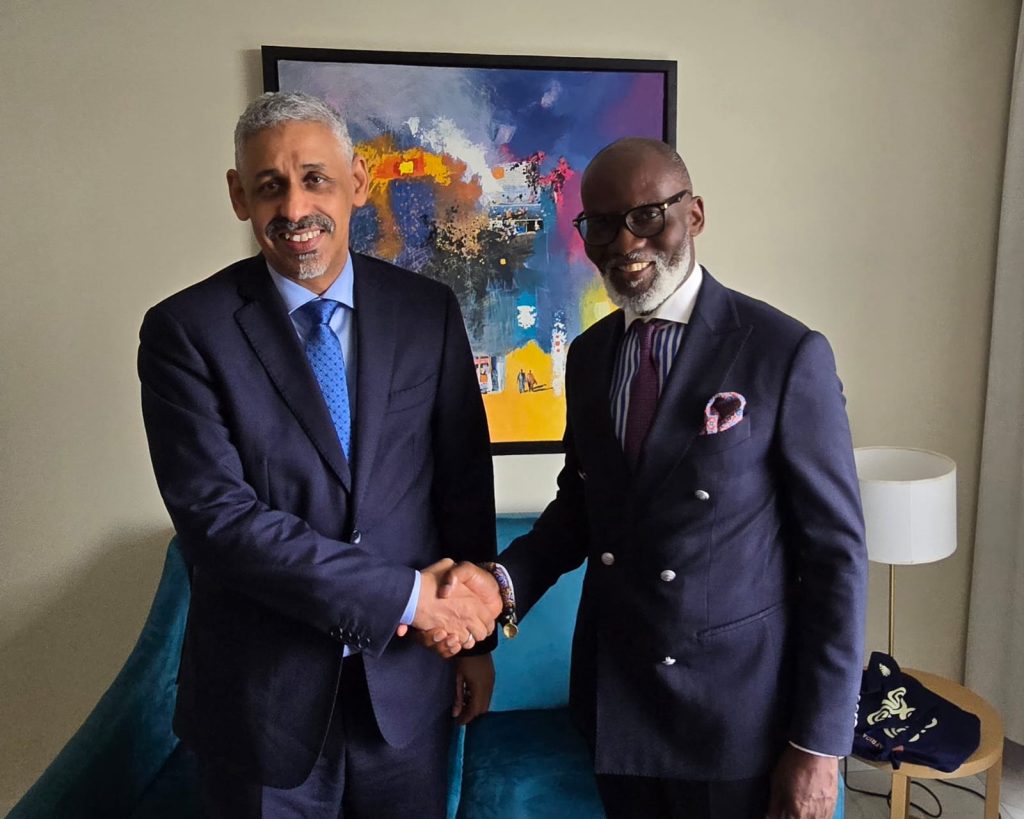
    It has a singular but transformational mission: to remove the artificial borders that have kept Africans apart from one another for over a century, and to finally make continental integration not merely an aspiration of leaders, but a demand of the African people themselves.

    The goal is bold: to mobilise more than 10 million signatures across Africa and its global diaspora and to present them directly to Heads of State at the 40th African Union Summit in Addis Ababa in February 2027. But it is also achievable. I say that with conviction because I have seen it done before, and this was without the technological advantages of the world we live in today.

    Why I Believe We Can Mobilise Over 10 Million

    I speak not only as Founder and Executive Chairman of the Africa Prosperity Network, the institution leading this campaign. I also speak as someone who has lived a similar moment in history. In the 1990s, I joined the global Drop the Debt (Jubilee 2000) campaign. This was a movement that asked the world’s wealthiest nations to cancel the crushing debts holding Africa and the Global South back. It was the powerful catalyst which galvanised global public opinion, forcing the World Bank and the International Monetary Fund, along with G7 leaders, to offer more substantial and rapid debt relief than originally envisioned in 1996 for the Heavily Indebted Poor Countries (HIPC) Initiative.

    Armed only with pen-and-paper petitions, radio, and the occasional fax machine, that grassroots effort, powered by voices such as Bono, Quincy Jones, Muhammad Ali, Bob Geldof, Youssou N’Dour, Thom Yorke and others, captured the imagination of the world. We did the “impossible.” We gathered 24 million signatures, well before the age of social media, WhatsApp, TikTok, or digital mobilisation campaigns.

    Today, Africa is younger, more connected, and more digitally empowered than ever.

    If we could mobilise 24 million people in the 1990s to fight for debt cancellation, we can certainly mobilise over 10 million Africans in 2026 to demand free movement, open skies, and a truly united continent.

    A New Engine for African Unity

    The Make Africa Borderless Now! Movement is officially led by the Africa Prosperity Network, working in collaboration with major Pan-African institutions. It launches on the continental stage at the Africa Prosperity Dialogues 2026 — to be held 4 –6 February 2026 at the Accra International Conference Centre, under the patronage of H.E. John Dramani Mahama, and in partnership with the AfCFTA Secretariat, AfDB, AUDA-NEPAD, BADEA, AFC and others.

    But at APD 2026 and after its launch, the movement will not be owned by institutions; it will be owned by Africans. In fact, it will be the first time that the socio-economic integration project will be made to be owned and driven by the people, especially the youth, whose future is at stake.

    Our strategy is deliberately “people-powered.” This is a Global African mobilisation ecosystem.

    We will:

    • Harness digital tools and social platforms
    • Engage big business, SMEs, traders, NGOs, labour unions and pan-African entrepreneurs
    • Activate cultural influencers — from musicians and film icons to athletes and creators
    • Deploy community radio, churches, mosques, chiefs, youth groups and women’s associations

    Build a web platform where every African or friend of Africa can sign, share, and even compete to design the official logo!

    This is designed to be a destiny-defining movement, a prosperous, integrated Africa, where its 1.5 billion people can move freely, trade freely and unleash talents, resources and ideas in a borderless Africa which will put our collective dignity and destiny beyond reproach. A movement insisting on destiny realisation.

    A Twelve-Pillar Roadmap to a Borderless Africa

    At the heart of Make Africa Borderless Now! is a twelve-pillar blueprint. Ours is a practical plan grounded in existing AU treaties and protocols but pushed forward with people-powered urgency for implementation:

    For People

    • Visa-free travel across Africa
    • Open Skies: liberalise air routes
    • A continent-wide biometric passport & digital African ID

    For Trade

    • A single African customs union
    • Harmonised standards & a continent-wide commercial law ecosystem
    • Seamless cross-border digital payments
    • Full activation of the AfCFTA Digital Trade Protocol

    For Foundations

    • Trans-African infrastructure and logistics corridors
    • An African Court of Justice to enforce a true single market
    • Women and youth at the centre of continental prosperity
    • One African voice in global negotiations

    All of these echo long-agreed frameworks — from the Abuja Treaty (1991) to the Yamoussoukro Decision (1999) to the Free Movement Protocol (2018) — but which have waited decades for action.

    Never has the urgency been clearer. In February 2025, the African Union Commission and the African Development Bank jointly urged African governments to remove visa restrictions, warning of the economic self-harm caused by internal barriers. Meanwhile, in Europe and America, all efforts are being made to keep Africans. These nations’ tightening immigration, threatening academic, business, and cultural exchanges, serve as a stark reminder of what we need to do: If Africa does not build its own internal freedom of movement, someone else will dictate and stifle our progress for us.

    A borderless Africa is not simply a dream; it is a strategic act of self-protection, self-determination and self-enhancement.

    This campaign asks a historic question: Can 10 million African voices move 55 African governments?

    Yes — if those voices become a single continental roar.

    Yes — if this time, the African people themselves lead the Pan-African movement.

    Yes — if we insist that unity stops being poetry and becomes policy delivered.

    As I reflect on Jubilee 2000, on the petitions carried in backpacks, the signatures handwritten in villages, stadiums, churches and concerts, I know what it takes to move the world. And I know that Africa today is far more ready.

    Our belief is simple and powerful: Africa’s greatest strength lies in its unity, particularly economic unity, and the time to finally achieve it is now. And, so we say to Africans everywhere, get ready to join us in 2026: Sign. Share. Mobilise. Demand your freedom of movement.

    Make Africa Borderless — Now!

    This article is written by Gabby Asare Otchere-Darko, Founder and Executive Director of the Africa Prosperity Network. He can be reached at gabby@africaprosperity.network

  • Press Release: Africa Prosperity Dialogues (APD) 2026 to feature keynote by AfDB President Dr Sidi Ould Tah

    Press Release: Africa Prosperity Dialogues (APD) 2026 to feature keynote by AfDB President Dr Sidi Ould Tah

    Accra, Ghana — Sunday, 21 December 2025.

    The Africa Prosperity Network (APN) is proud to announce that a defining highlight of the upcoming Africa Prosperity Dialogues (APD) 2026 will be a keynote address by Dr Sidi Ould Tah, President of the African Development Bank Group (AfDB).
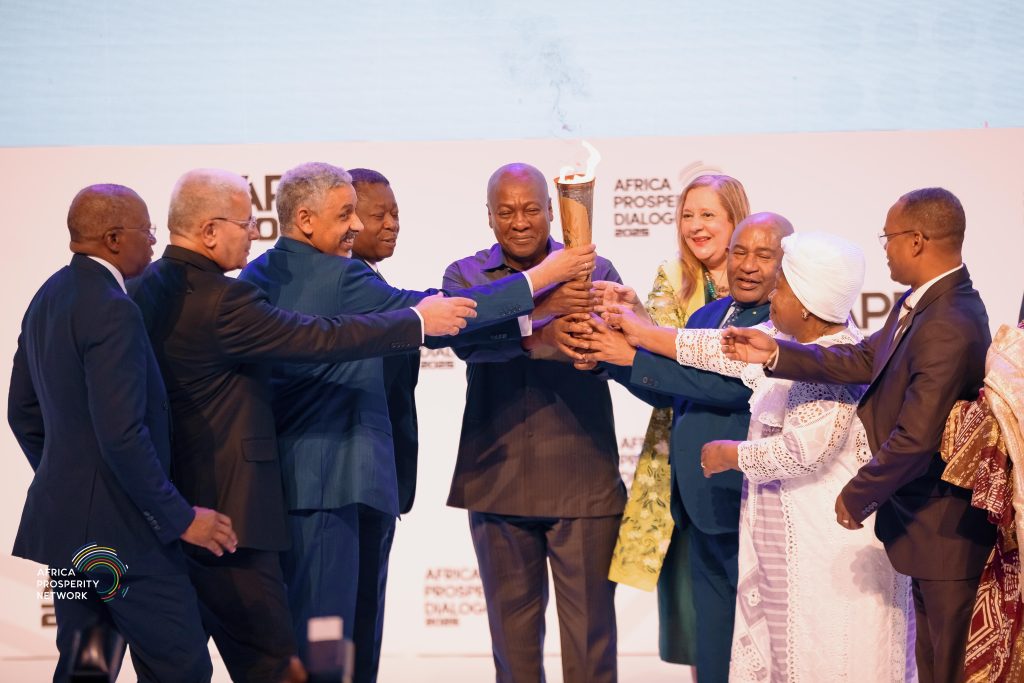
    The fourth of the annual Africa Prosperity Dialogues will take place at the Accra International Conference Centre, 4-6 February 2026, under the distinguished patronage of HE President John Dramani Mahama.

    Dr Ould Tah, who assumed office in September 2025, has swiftly emerged as a dynamic force in continental finance. His leadership was profoundly demonstrated within his first 100 days, as he successfully secured a historic $11 billion replenishment for the African Development Fund (ADF), the largest in the institution’s 53-year history. This remarkable achievement was secured against a backdrop of severe global fiscal constraints and shifting donor priorities.

    Dr Ould Tah will address the theme of APD 2026: “Empowering SMEs, Women and Youth for Africa’s Single Market”, and take the opportunity to lay out his vision of enhancing AFDB’s support for and partnership with Africa’s private sector to deepen development and prosperity.

    A particularly notable aspect of his success in his first 100 days has been Dr Tah’s adept navigation of a significant funding challenge.

    Following the withdrawal of a major traditional partner, a scenario that could have been disastrous for the Fund’s ambitions, he effectively mobilised a powerful coalition of 43 global and African partners to not only plug the gap but significantly exceed previous funding levels.

    In a powerful symbol of a new era, 23 African nations themselves stepped up as contributors, signalling a decisive shift from the continent being solely a beneficiary to becoming a co-investor in its own future.

    “This is not just a replenishment, but a turning point,” stated Dr Tah following the landmark pledging session. His strategic vision focuses on leveraging concessional resources to attract larger volumes of private capital, ensuring that every dollar deployed has a multiplied impact on the ground.

    The APN is thrilled to host Dr Ould Tah at APD 2026, where he will share his insights on mobilising resources, fostering public-private synergies, and accelerating the practical implementation of the African Continental Free Trade Area (AfCFTA).

    His address is expected to chart a concrete pathway for transforming political commitments into tangible prosperity for all Africans, as the organisers plan to use the platform to mobilise broader public support among Africans for the implementation of the various African Union protocols and treaties designed to facilitate free movements and boost significantly intra-African trade and economic integration and growth across Africa.

    The African Development Bank Group is a proud institutional partner of the Africa Prosperity Dialogues 2026. This partnership underscores a shared commitment to actionable dialogue and collaborative frameworks that will fast-track the “Africa We Want.”

    We invite all stakeholders, governments, businesses, financiers, and development institutions to join us at this pivotal gathering to engage with Dr Ould Tah and other continental leaders in shaping a more integrated and prosperous Africa.

    To register, visit: www.apd2026.africaprosperitynetwork.com

    ABOUT THE AFRICA PROSPERITY DIALOGUES

    The Africa Prosperity Dialogues is the flagship initiative of the Africa Prosperity Network, convening heads of state, business leaders, institutional heads, financiers and private sector actors to develop actionable plans for driving economic integration and wealth creation across the African continent.

  • Press Release: Africa Prosperity Network to launch historic 10-million signature campaign for a Borderless Africa at flagship 2026 Dialogues

    Press Release: Africa Prosperity Network to launch historic 10-million signature campaign for a Borderless Africa at flagship 2026 Dialogues

    Accra, Ghana – Monday, 1 December 2025 – The journey to a truly integrated Africa reaches a pivotal milestone in February 2026. The Africa Prosperity Network (APN) will use its flagship Africa Prosperity Dialogues (APD) 2026 to officially launch the “Make Africa Borderless Now!” campaign, a historic, youth-led mobilisation aiming to secure over 10 million signatures from across the continent and diaspora.
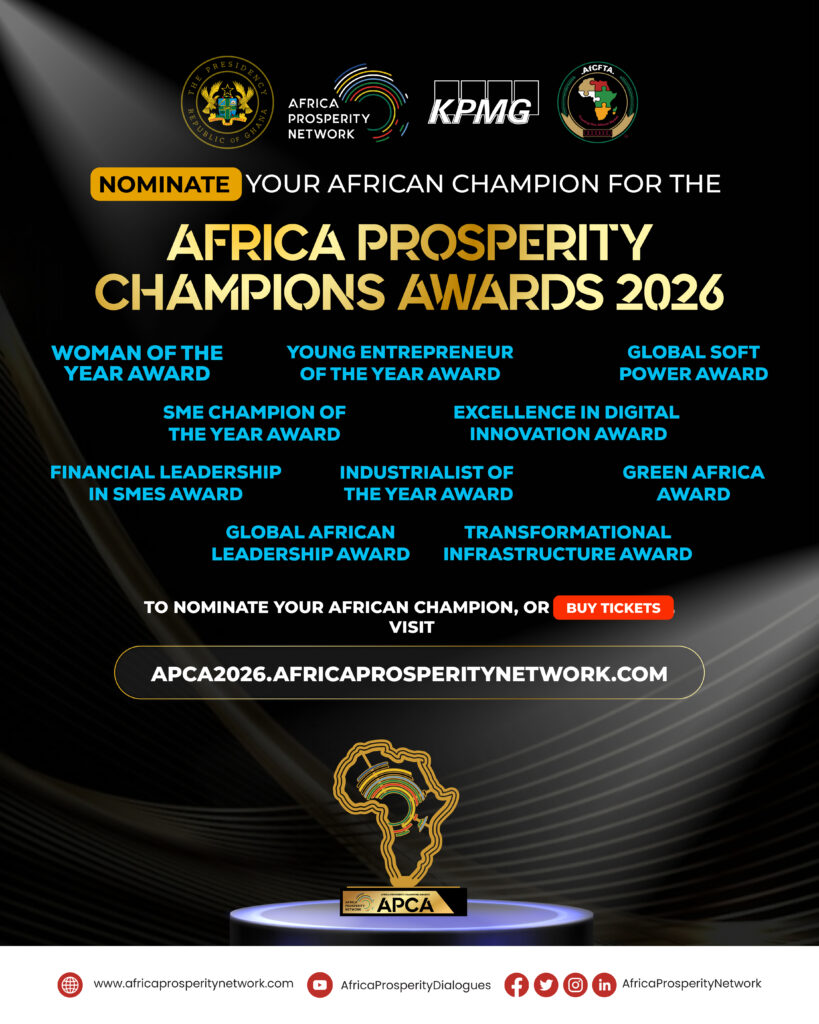
    Hosted by H.E. President John Dramani Mahama of Ghana from 4th to 6th February 2026 at the Accra International Conference Centre, APD 2026 will transition from high-level discussion to mass public action. The event will set in motion a one-year drive, culminating in the presentation of the signatures to African Heads of State at the 40th African Union Summit in February 2027.

    From Dialogues to a Continental Movement

    The APD 2026 summit is the designated launchpad for this ambitious year-long civic effort, which, among other demands, will call for visa-free travel for Africans across Africa, enabling Africans to buy and sell across borders using their mobile money wallets and, essentially, to allow free movement of people, goods, capital and services across Africa’s existing borders.

    A dedicated Africa Without Borders Desk has been established at the APN Secretariat in Accra to coordinate the mobilisation, which has already garnered “phenomenal interest” from multilateral institutions, notable industrialists, celebrities from the creative sector, Pan-African influencers, and youth groups.

    Among the prominent Pan-Africanists behind the campaign is Professor PLO Lumumba, the renowned Kenyan Pan-Africanist, legal scholar, and orator. He is expected to ignite the spirit of the campaign with his much-anticipated keynote address at the launch, which takes place in the nearly 3,000-capacity Accra International Conference Centre next February. 

    The campaign’s core ask is direct: it calls on leaders to fully implement the African Union protocols and AfCFTA-enabling instruments they have already signed.

    “The petition is simply about asking African leaders to gather the political will to implement treaties and protocols they themselves have adopted and agreed to implement but are being slow. Our goal is to send a strong delegation to the African Union to present 10 million signatures and say: ‘Your people want a borderless Africa, simply by implementing what you have already agreed to do,’” explained Gabby Asare Otchere-Darko, the Founder and Executive Chairman of APN.

    Empowering the Drivers of Africa’s Economy

    “If over 80% of employment and business activities in Africa come from SMEs, then the best way to empower them is to implement the treaties and protocols that our Heads of State have already signed at the AU level. What SMEs, women and young entrepreneurs want is simple: the freedom to move and trade across our borders,” he stressed.

    Ashley Asenso, APN’s Head of Partnerships & Sponsorships, adds:

    “This campaign focuses on the single-market enablers African leaders have already endorsed, visa-free travel for Africans, full implementation of the Single African Air Transport Market, and mobile-money interoperability so that Africans can buy and sell across borders using their own currencies.”

    Sidig Eltoum, CEO, APN, explained, “The focus is on removing the physical, financial, and digital barriers that hold back the continent’s primary job creators, SMEs, and by so doing, we offer a new, exciting world of opportunities for a continent which has 60% of its citizens under the age of 25. That is why we have chosen to convert the energy and agreements from Accra into a tangible, citizen-powered mandate for action.”

    The campaign’s 12-point agenda will be unveiled at the launch, during the 3-day dialogues, from 4-6 February in Accra, where delegates will be given the opportunity to contribute to the discussions.

    Join the Launch and the Movement

    APN invites all Africans and friends of Africa, entrepreneurs, and advocates for integration to be part of this defining moment. Participation in APD 2026 is the first step to joining the “Make Africa Borderless Now!” movement.

    Registration for the Africa Prosperity Dialogues 2026 is still open.

    Register at: http://www.africaprosperitynetwork.com

    For media enquiries, contact:

    Africa Prosperity Network, Communication Directorate

    Tel: +233 20 136 9105

    Web: www.africaprosperitynetwork.com

    End

  • Press Release- Call for Nominations: Africa Prosperity Champions Awards 2026

    Press Release- Call for Nominations: Africa Prosperity Champions Awards 2026

    Deadline: 30 November 2025

    Accra, Ghana – Sunday, 04 November 2025 – The Africa Prosperity Network (APN), with the support of KPMG, has opened nominations for the Africa Prosperity Champions Awards (APCA) 2026, which will be presented at the Africa Prosperity Champions Awards & Presidential Gala Dinner on 6 February 2026 at the Kempinski Gold Coast Hotel, Accra, Ghana, as part of the grand finale of the Africa Prosperity Dialogues (APD) 2026.

    The APCAs were established to honour Africans and friends of Africa whose vision, innovation, and leadership are driving the continent’s integration and prosperity. From women and youth to industrial giants and digital pioneers, the 2026 Awards will spotlight those advancing the Agenda 2063 dream of a united, thriving Africa.

    Themed: “Empowering SMEs, Women and Youth for Africa’s Single Market: Innovate. Collaborate. Trade.”, the 2026 edition of the Africa Prosperity Dialogues will emphasise the role of SMEs, women, and youth in Africa’s single market.

    “These awards are not just about recognition. They are about celebrating those who are at the forefront of building the Africa we want, through industry, innovation, creativity, sustainability, and leadership,” said Nana Adjoa Hackman, Chair, APCA Planning Committee and Director, APN.

    The Country Managing Partner for KPMG, Mr Andrew Akoto, states, “KPMG are proud to partner with the Africa Prosperity Network in recognising the visionaries who are shaping Africa’s economic future. These awards shine a light on the entrepreneurs, innovators, and leaders whose work is essential to unlocking the full potential of the AfCFTA and building a more integrated, prosperous continent.”

    About the APCA Academy

    The Africa Prosperity Champions Awards Academy serves as the governing body responsible for the management, oversight, and selection processes of the APCAs. Comprising eight distinct groups, including the APN Advisory Council and Board of Directors, legal and administrative teams, past APCA winners, independent auditors (KPMG), representatives from the AfCFTA Secretariat, nominees from the Office of the President of Ghana, and APN’s strategic institutional partners, the Academy ensures rigorous standards of excellence and integrity.

    The Academy’s vision is to provide a living blueprint of leadership for a prosperous Africa, showcasing the values, excellence, and enterprise that drive the continent’s unity, dignity, and progress. Its mission is to recognise, honour, and celebrate individuals and organisations whose outstanding achievements exemplify African excellence and strengthen the bonds of unity, shared growth, and pride among all people of African descent.

    Nominees are assessed based on their demonstrated excellence, integrity, measurable impact, innovation, leadership, and commitment to sustainable growth that contributes to regional integration and Africa’s collective progress.

    Nomination Process

    Nominations open on Monday, 10 November 2025, to the public worldwide. Individuals, businesses, and organisations may be nominated for up to three categories. Entries must include the nominee’s details, the award category, and a short justification (maximum 500 words).

    Submissions can be made via:

    WhatsApp: +233 536 098 325

    Email: apca2026@africaprosperity.network 

    Visit our website to nominate: www.africaprosperitynetwork.com   

    Deadline: 30 November 2025

    Selection

    Nominations will be reviewed by the APCA Academy with support from KPMG. Shortlisted candidates will be assessed on impact, innovation, pan-African relevance, sustainability, and alignment with APN’s mission of shared prosperity. Winners will be unveiled at the Gala Dinner on 6 February 2026.

    Award Categories

    Woman of the Year Award – Celebrating African women breaking barriers and driving prosperity.

    Young Entrepreneur of the Year Award – Honouring under-35 trailblazers leveraging AfCFTA to reshape Africa’s business landscape.

    SME Champion of the Year Award – Spotlighting SMEs as the backbone of Africa’s economies and drivers of intra-African trade.

    Industrialist of the Year Award– Recognising leaders powering Africa’s industrialisation.

    Excellence in Digital Innovation Award – For pioneers transforming Africa through digital solutions.

    Financial Leadership in SMEs Award – Celebrating financial institutions enabling SMEs, especially women, youth, and start-ups.

    Global Soft Power Award – Honouring those projecting Africa’s image and influence worldwide.

    Green Africa Award – Recognising champions proving Africa can be both sustainable and prosperous.

    Global African Leadership Award – Celebrating the diaspora’s global contributions and leadership.

    Transformational Infrastructure Award – Honouring major projects driving transformation, connectivity and integration.

    Closing Note

    By nominating, you help celebrate the champions of Africa’s prosperity story. Together, we can inspire a new generation to innovate, collaborate, and trade across Africa.

    Join us in writing Africa’s prosperity story.

    For media enquiries, contact:

    Africa Prosperity Network, Communication Directorate

    Tel: +233 20 136 6105

    Web: www.africaprosperitynetwork.com

    End

  • Building the Africa We Want With Social Infrastructure 

    Building the Africa We Want With Social Infrastructure 

    The Africa Prosperity Dialogues (APD) 2025 highlighted the critical role of social infrastructure, including education, health care and housing, in sustaining long-term economic prosperity. Addressing these foundational needs is essential for creating a skilled workforce, fostering innovation and ensuring inclusive development. Delegates called for increased public and private sector investment in human capital development to equip Africa’s youth with the skills necessary in their emerging digital and industrial economies.

    The Dialogues emphasised the critical role of social investment, stating that social infrastructure, encompassing healthcare, education, housing and social welfare systems, is essential to achieving the African Union’s Agenda 2063 vision. The discussion highlighted the need for strategic planning, adequate financing and inclusive policies to eliminate existing gaps and ensure equitable access to social services. Healthcare emerged as a critical priority, with discussions underscoring the urgent need for improved healthcare facilities, workforce capacity and access to essential medicines.

    The COVID-19 pandemic exposed significant vulnerabilities in Africa’s healthcare systems, reinforcing the need for resilient healthcare infrastructure that can withstand future public health emergencies. Development partners and governments were urged to increase investments in primary health care and leverage technology to enhance service delivery. Education was also identified as a cornerstone of social infrastructure, with the discussions focusing on the need for quality education systems that equip Africa’s youthful population with relevant skills for the future. Panellists highlighted the importance of investing in technical and vocational education and training (TVET) to address skills gaps and promote economic inclusion. They also emphasised the role of digital learning solutions in expanding access to education.

    Financing social infrastructure remains a significant challenge, with the Dialogues calling for innovative financing mechanisms to bridge funding gaps. Suggestions included leveraging public-private partnerships (PPPs), tapping into diaspora remittances and exploring opportunities for impact investment. Governments were encouraged to prioritise social infrastructure in national budgets and seek collaboration with international development partners. The role of good governance and policy frameworks in facilitating social infrastructure development was also discussed. The Dialogues emphasised the need for transparent and accountable governance structures that promote effective resource allocation and service delivery. Harmonised policies across regional blocs were identified as essential for fostering cross-border collaboration and ensuring sustainable development outcomes.

    African countries must increase investment in pharmaceutical production to reduce dependency on imports and enhance health-care resilience. Expanding technology access can improve healthcare delivery, while leveraging digital finance solutions – such as mobile payments and health insurance platforms – can enhance affordability and accessibility. Strengthening public-private partnerships will be key to scaling innovation and ensuring sustainable health financing.

    African countries must prioritise teaching science, technology, engineering, arts, and mathematics (STEAM) by integrating STEAM into their national curricula to equip young people with future-ready skills. Investments in digital infrastructure, teacher training, research hubs and industry partnerships will foster innovation, enhance problem-solving abilities and drive economic growth.

    Expanding access to technology-enabled learning will ensure inclusivity and prepare the workforce for Africa’s digital and industrial transformation. African countries must prioritise investments in technical and vocational education and training (TVET) to address skills gaps and promote economic inclusion. Strengthening digital infrastructure, leveraging e-learning platforms and integrating Artificial Intelligence (AI) into education systems will enhance accessibility and improve learning outcomes.

    African countries must prioritise health infrastructure by establishing a Health Insurance Fund (HIF). This continental pooled fund subsidises premiums for vulnerable populations to address systemic challenges and provide health coverage for the greater majority of Africans.

    Exploring public-private healthcare partnerships to develop regional medical hubs that integrate digital solutions such as telemedicine will improve specialised healthcare services and help scale up digital healthcare to reach remote communities.

  • Unleashing Africa’s Demographic Dividend: Youth Challenges and Opportunities in Agenda 2063

    Unleashing Africa’s Demographic Dividend: Youth Challenges and Opportunities in Agenda 2063

    The world’s ten youngest countries by median age are all African. Today’s newborns will be navigating their forties by 2063 and inherit the African Union’s Agenda 2063. A staggering 60% of Africa’s population is under the age of 25. The continent’s youth play a central role in all our narratives.
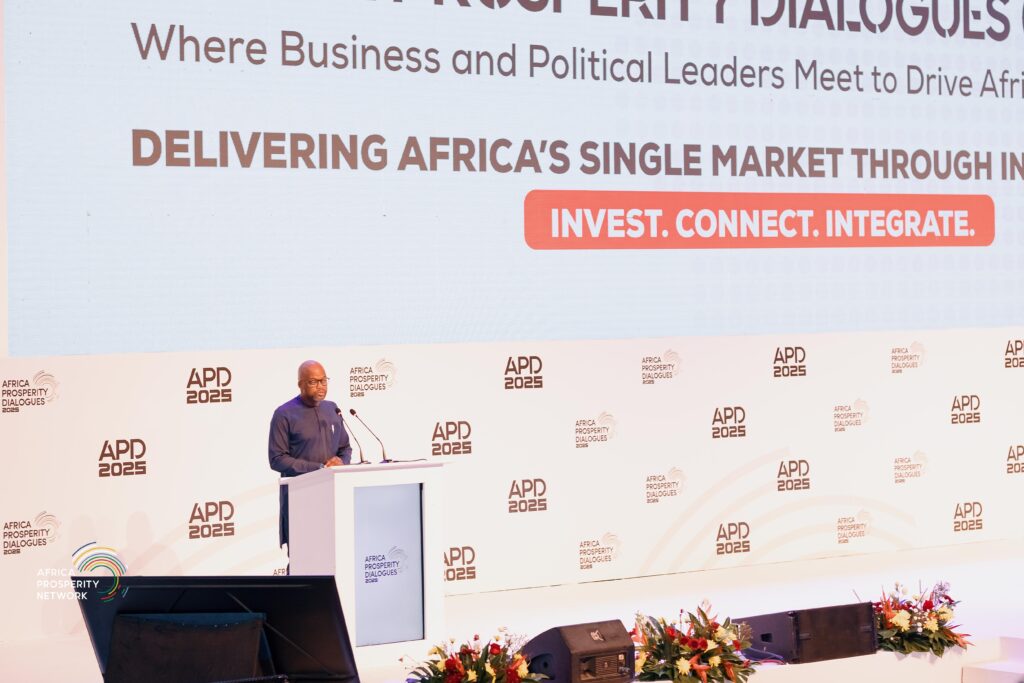
    However, the youth face formidable challenges. Unemployment rates soar as high as 40% in some countries, signalling an urgent crisis. Equally concerning is the education gap, with UNESCO noting that over 30 million primary-school-aged children in sub-Saharan Africa are out of school, impeding crucial skills development.

    Presently, youth representation in African political offices is strikingly low, with the median age of leaders at around 62 years. This gap highlights the need for policies that foster intergenerational equity transfer and meaningful youth contributions, especially at the AU level.

    The AU Commission’s Youth Division underscores the value of mentorship and civic education programmes. Countries that have implemented these initiatives have witnessed increased youth participation in voting and leadership roles.

    Africa’s creative sector should be a leading area of youth employment. The sector holds immense economic potential, as noted by the United Nations Conference on Trade and Development (UNCTAD). The creative sector is estimated to be worth $2.25 trillion globally, yet Africa’s share is minimal due to low intellectual property (IP) rights ownership.

    The global animation industry alone grosses about $300 billion annually, but only a fraction of that value accrues in Africa. However, the IP rights are not owned by African animators, thus most of the revenue does not stay on the continent. Investment in the creative sector, coupled with effective policy to incentivise protection of African IP, could stimulate job creation and economic diversification.

    A surge in African patent applications, as reported by the World Intellectual Property Organisation (WIPO), signals growing innovation. Governments and private entities should capitalise on this trend by investing in creative hubs – such as Uganda’s Innovation Village – and supporting emerging artists and entrepreneurs.

    Investing in education is crucial, given the strong link between education and socio-economic development. Governments must prioritise education funding, ensuring curricula are aligned with modern job market needs.

    The transformative role of technology in empowering Africa’s youth is significant. The continent is expected to record the highest fixed broadband subscriptions growth rate between 2024 and 2027 globally. Leveraging technology for political engagement is crucial to increasing civic participation and youth engagement in political processes.

    The challenges and opportunities facing Africa’s youth in leadership and the creative sector reveal a roadmap for transformative change. By addressing these challenges through youth inclusion, evidence-based policies and strategic investments, Africa can unlock its demographic dividend and empower its young population to actively shape the continent’s future.

    A data-driven approach is essential to ensure that the youth not only become beneficiaries but active contributors to Africa’s socio-economic and political landscape.