Category: Business

  • Borderless Africa: Dismantling the Financial Integration Challenge

    Borderless Africa: Dismantling the Financial Integration Challenge

    By Babajide Sodipo – Acting Executive Secretary, Alliance of African Multilateral Financial Institutions (AAMFI) – The Africa Club  

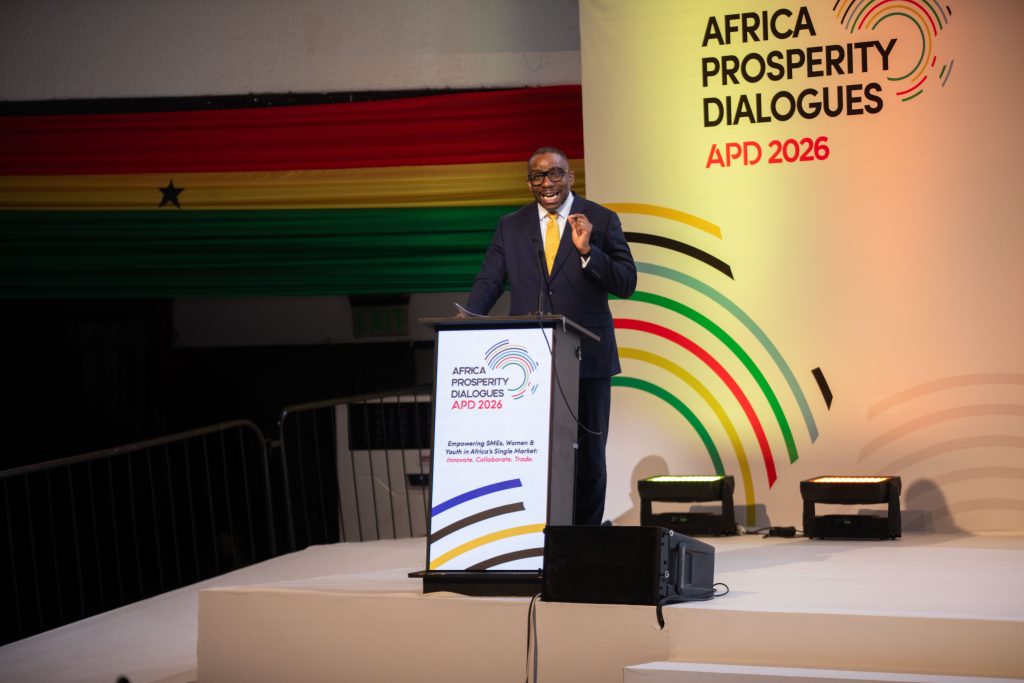
    A borderless Africa is not a slogan. It is a strategic necessity. Africa’s Agenda 2063 and the African Continental Free Trade Area are clear in their ambition: an Africa where people, goods, services and crucially, capital can move more freely across borders in support of growth, resilience, and shared prosperity. 
    But we must be honest with ourselves. A truly borderless Africa will not be achieved by policy commitments alone. It is, at its core, a financial integration challenge. Free movement requires African capital to flow efficiently across borders. It requires liquidity, guarantees, risk-sharing instruments, and financial institutions that are able to work together — not in silos, but in coordination.

    This is where African multilateral financial institutions already play a vital role. Across the continent, they finance cross-border trade, regional infrastructure, investment corridors, and payment and settlement systems that make integration real on the ground. When these institutions align and coordinate, their impact is multiplied. That is why AAMFI exists. 

    The Alliance was established to strengthen cooperation among Africa’s multilateral financial institutions and to support continental priorities, including integration, AfCFTA implementation, and the AU Free Movement Protocol — with practical financial solutions.

    AAMFI works closely with the African Union and its institutions to help ensure that Africa’s integration agenda is underpinned by a strong, well-coordinated financial architecture. As the  “Make Africa Borderless Now!” initiative is launched today, AAMFI welcomes the opportunity to lend its collective voice to the importance of free movement, especially the free movement of African capital and to reaffirm our readiness to work with partners to translate Africa’s integration commitments into bankable, scalable outcomes.

    A borderless Africa will be built not only by vision, but by institutions, coordination, and capital. African institutions stand ready to play their part.

  • Press Release: Air Algérie Group and Africa Prosperity Network advance “Make Africa Borderless Now!” agenda

    Press Release: Air Algérie Group and Africa Prosperity Network advance “Make Africa Borderless Now!” agenda

    Partnership Supports Free Movement of People, Goods and Services Across Africa

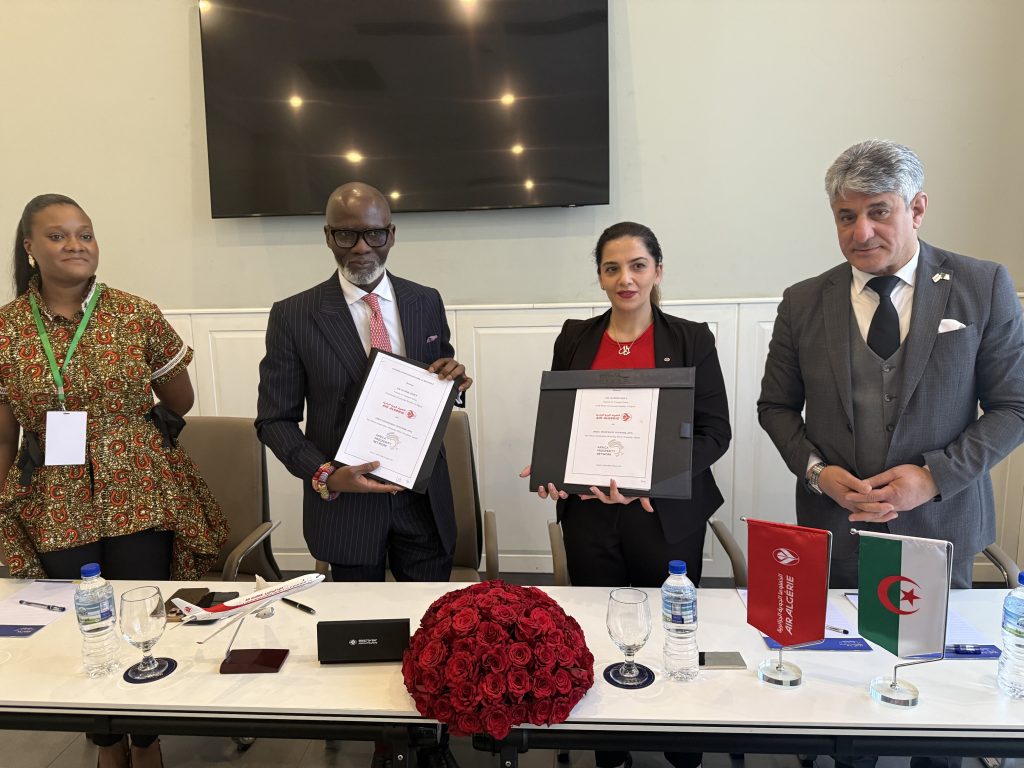
    Addis Ababa, Ethiopia, February 2026 — The Africa Prosperity Network (APN) and Air Algérie Group have signed a Co-operation Framework Agreement in Addis Ababa, reinforcing their shared commitment to the Make Africa Borderless Now!” movement.
    The partnership recognises air connectivity as a critical enabler of the free movement of people, goods, and services, which is central to the successful implementation of the African Continental Free Trade Area (AfCFTA) and Africa’s broader economic integration efforts.

    Through this collaboration, the parties will support initiatives that enhance intra-African mobility, facilitate participation in the Africa Prosperity Dialogues (APD) and other related convening platforms, as well as strengthen trade and cargo movements across Africa. The Agreement also provides a platform for policy dialogue, capacity building, and advocacy aimed at breaking down barriers to trade, travel, and economic activity.

    The signing of this agreement underscores the growing momentum behind the Make Africa Borderless Now! movement and the shared resolve of African institutions to translate integration commitments into practical, continent-wide impact.

    Join the Movement

    Members of the public who wish to support the vision of a borderless Africa are encouraged to sign the “Make Africa Borderless Now!” petition and add their voice to this historic continental movement.

    ————–

    About the Make Africa Borderless Now! Movement

    The Make Africa Borderless Now! movement is a transformative initiative driving towards the realisation of a unified African market. By advocating for the elimination of barriers to trade, travel, and economic activity, the movement seeks to unlock Africa’s full economic potential and improve the quality of life for all Africans, both on the continent and across the diaspora.

    —————-

    Africa Prosperity Network

    The Africa Prosperity Network is a leading Pan-African organisation dedicated to advancing economic integration, sustainable development, and shared prosperity across the African continent. Through strategic initiatives, thought leadership, and collaborative partnerships, the Network works to create an enabling environment for Africa’s economic transformation.

    ————–

    For More Enquiries, contact:

    Africa Prosperity Network, Communication Directorate

    Tel: +233 20 136 9105

    Email: comms@africaprosperity.network
    Web: www.africaprosperitynetwork.com

    END

    SIGNED:

    Africa Prosperity Network – Communication Directorate

    Distributed to all African and international media houses

  • Press Release: Africa Prosperity Network and Ethiopian Airlines discuss Make Africa Borderless Now! agenda

    Press Release: Africa Prosperity Network and Ethiopian Airlines discuss Make Africa Borderless Now! agenda

    Talks Aim at Collaboration on Free Movement of People, Goods and Services Across Africa

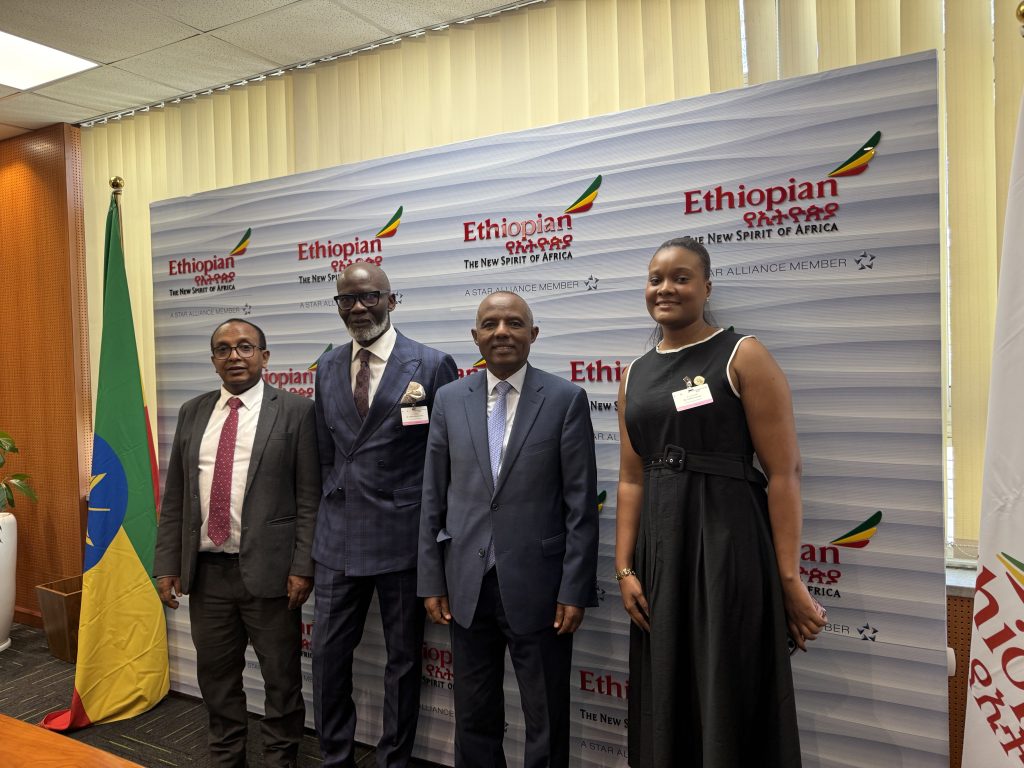
    Addis Ababa, Ethiopia, February 2026 — The Africa Prosperity Network (APN) and Ethiopian Airlines Monday held talks at the Headquarters of Ethiopian Airlines in Addis Ababa to explore a strategic collaboration aimed at advancing the Make Africa Borderless Now! agenda.

    The campaign seeks to persuade African governments to implement the various economic integration-focused treaties and protocols which they have already adopted but remain slow to implement.

    These include the Free Movement of Persons, Right of Residence and Right of Establishment Protocol and the Single Africa Air Transport Market Protocol, both adopted in 2018.

    The discussions, which build on engagements that began last year, focused on how the two parties can work together to promote the free movement of people, goods, and services across Africa, with air transport recognised as a critical enabler of the continent’s economic integration and a key driver of the African Continental Free Trade Area (AfCFTA).

    During the meeting, which both sides described as positive, APN invited Africa’s biggest airline to become a major partner in the movement launched in Accra this February to mobilise 10 million signatures calling for, among others, free movement across Africa, a visa-free travel for Africans across Africa, and implementation of the AfCFTA Digital Trade Protocol.

    Mr Gabby Asare Otchere-Darko, the Executive Chairman, APN, stressed the need to get African central banks and regulators to enable continent-wide mobile money interoperability to allow Africans to buy and sell across borders simply using their mobile money wallets.

    Mesfin Tasew, the Group CEO of Ethiopian Airlines, welcomed it, saying it would give a major boost to intra-African trade and air cargo volumes in Africa.

    The engagement reflects the growing momentum behind the Make Africa Borderless Now! movement and the shared commitment to translating Africa’s integration ambitions into practical, continent-wide outcomes. Further meetings are expected to define the scope of the potential collaboration.

    —————–

    About the Make Africa Borderless Now! Movement

    The Make Africa Borderless Now! movement is a transformative initiative driving towards the realisation of a unified African market. By advocating for the elimination of barriers to trade, travel, and economic activity, the movement seeks to unlock Africa’s full economic potential and improve the quality of life for all Africans, both on the continent and across the diaspora.

    —————-

    Africa Prosperity Network

    The Africa Prosperity Network is a leading Pan-African organisation dedicated to advancing economic integration, sustainable development, and shared prosperity across the African continent. Through strategic initiatives, thought leadership, and collaborative partnerships, the Network works to create an enabling environment for Africa’s economic transformation.

    ————–

    For More Enquiries, contact:

    Africa Prosperity Network, Communication Directorate

    Tel: +233 20 136 9105

    Email: comms@africaprosperity.network
    Web: www.africaprosperitynetwork.com

    END

    SIGNED:

    Africa Prosperity Network – Communication Directorate

    Distributed to all African and international media houses

  • Unleashing Africa’s Demographic Dividend: Youth Challenges and Opportunities in Agenda 2063

    Unleashing Africa’s Demographic Dividend: Youth Challenges and Opportunities in Agenda 2063

    The world’s ten youngest countries by median age are all African. Today’s newborns will be navigating their forties by 2063 and inherit the African Union’s Agenda 2063. A staggering 60% of Africa’s population is under the age of 25. The continent’s youth play a central role in all our narratives.
    However, the youth face formidable challenges. Unemployment rates soar as high as 40% in some countries, signalling an urgent crisis. Equally concerning is the education gap, with UNESCO noting that over 30 million primary-school-aged children in sub-Saharan Africa are out of school, impeding crucial skills development.

    Presently, youth representation in African political offices is strikingly low, with the median age of leaders at around 62 years. This gap highlights the need for policies that foster intergenerational equity transfer and meaningful youth contributions, especially at the AU level.

    The AU Commission’s Youth Division underscores the value of mentorship and civic education programmes. Countries that have implemented these initiatives have witnessed increased youth participation in voting and leadership roles.

    Africa’s creative sector should be a leading area of youth employment. The sector holds immense economic potential, as noted by the United Nations Conference on Trade and Development (UNCTAD). The creative sector is estimated to be worth $2.25 trillion globally, yet Africa’s share is minimal due to low intellectual property (IP) rights ownership.

    The global animation industry alone grosses about $300 billion annually, but only a fraction of that value accrues in Africa. However, the IP rights are not owned by African animators, thus most of the revenue does not stay on the continent. Investment in the creative sector, coupled with effective policy to incentivise protection of African IP, could stimulate job creation and economic diversification.

    A surge in African patent applications, as reported by the World Intellectual Property Organisation (WIPO), signals growing innovation. Governments and private entities should capitalise on this trend by investing in creative hubs – such as Uganda’s Innovation Village – and supporting emerging artists and entrepreneurs.

    Investing in education is crucial, given the strong link between education and socio-economic development. Governments must prioritise education funding, ensuring curricula are aligned with modern job market needs.

    The transformative role of technology in empowering Africa’s youth is significant. The continent is expected to record the highest fixed broadband subscriptions growth rate between 2024 and 2027 globally. Leveraging technology for political engagement is crucial to increasing civic participation and youth engagement in political processes.

    The challenges and opportunities facing Africa’s youth in leadership and the creative sector reveal a roadmap for transformative change. By addressing these challenges through youth inclusion, evidence-based policies and strategic investments, Africa can unlock its demographic dividend and empower its young population to actively shape the continent’s future.

    A data-driven approach is essential to ensure that the youth not only become beneficiaries but active contributors to Africa’s socio-economic and political landscape.

  • The AFCFTA: The Journey so far and ahead

    The AFCFTA: The Journey so far and ahead

    By H.E. WAMKELE MENE, SECRETARY-GENERAL, AFCFTA SECRETARIAT

    The African Continental Free Trade Area (AfCFTA), once an ambitious dream, has remarkably transitioned to become a reality, marking a significant milestone in Africa’s commitment to economic integration. Today, the AfCFTA stands as а testament not only to the continent’s ability to translate ambitions into actionable goals but also to its evolving role in the global economic sphere.

    The journey of the AfCFTA, from its inception to its current status, has been rapid and marked by high political momentum. This is evident in the actions and intentions at the highest levels of Government and Industry. Negotiated from 15 June 2015 to 21 March 2018, and culminating in the signing of the Framework Agreement along with the three Protocols on Goods, Services, and Dispute Settlement, the AfCFTA’s progression has been unprecedented. Today, as a fully fledged international organisation, it enjoys international recognition, being lauded as a game-changer in the political economy of Africa. The AfCFTA has undeniably become an integral part of any discourse on Africa’s economic future.

    As the world’s largest free trade area by the number of participating countries, the AfCFTA connects 1.4 billion people across 55 countries, with a combined Gross Domestic Product (GDP) of approximately US$3.4 trillion. Its full implementation promises an integrated African market for goods and services, alongside the free movement of people and capital, laying the foundations for a common market across the continent.

    Significant strides have been achieved in the ratification, negotiation, and implementation of the AfCFTA’s legal frameworks, including its foundational agreement and various protocols. Yet, the road ahead remains crucial for ensuring that the benefits of free trade under the AfCFTA are equitably distributed, contributing to the long-term prosperity of the continent.

    The implementation has probably felt long at times. We have exceeded deadlines. However, it is important to recognise the substantial progress we have made. The AfCFTA came into existence amid a global pandemic, a significant context that cannot be overlooked. The pandemic has had profound impacts on economies around the world, and Africa has been no exception. The economic fallout from this pandemic has been compounded by the ongoing conflict between Russia and Ukraine, adding layers of complexity to our journey.

    Looking to the future, and in line with the African Union’s broader integration goals, as outlined in Agenda 2063, the AfCFTA is a means towards the larger goal of creating a common market in Africa. Through the progressive elimination of trade and movement barriers, coupled with enhanced coordination and integration of economic policies, the AfCFTA is poised to lay the groundwork for a more deeply interconnected African economy. This forward movement is pivotal in realising the vision of an integrated African market.

    The journey so far

    As of December 2023, the AfCFTA has witnessed remarkable advancements in its journey towards unifying African economies. A total of 54 out of 55 African Union Member States have signed the agreement, with Eritrea as the lone exception. The ratification process has also progressed significantly, with 47 countries formally endorsing the agreement, leaving just eight to finalise their ratification.

    Significant progress has been made in the negotiations under the AfCFTA, which have been conducted in two distinct phases. The first phase, covering negotiations on trade in goods, trade in services, and the establishment of a dispute settlement mechanism, has largely been completed.

    The objective for trade in goods under the AfCFTA is to progressively liberalise 97% of tariff lines over a span of 5 to 13 years, commencing from January 1, 2021, which marks the official launch of trading under the preferential terms set by the AfCFTA. A major achievement in this area is the agreement on rules of origin for 92.3% of tariff lines, accounting for 95.5% of intra-Africa trade, thus providing a strong foundation for the AfCFTA framework.

    The development and distribution of necessary trading documents with enhanced security features have been completed, facilitating trade in African-made goods. However, negotiations are still ongoing for the remaining 7.7% of rules of origin, especially in the automotive and textiles sectors, to ensure comprehensive implementation of the protocol. Market access has also seen progress, with the adoption of 42 provisional schedules, tariff concessions and 22 service schedules of specific commitments, and an additional 26 service schedules are close to finalisation.

    With regard to the Protocol on Trade in Services, negotiations in the five priority sectors (financial, communication, transport, tourism, and business services) are underway, with plans for further liberalisation in seven more sectors.

    The AfCFTA Dispute Settlement Mechanism has been operationalised, providing a framework to resolve disputes arising from investment, trade in goods and services, or market access. This development is poised to enhance investment security in Africa for both domestic and foreign investors.

    The phase II Protocols on Competition Policy, Investment and Intellectual Property Rights have been concluded and adopted by the Assembly of Heads of State and Government of the African Union. These protocols are now open for ratification. The final two (2) Phase II Protocols, focusing on Digital Trade and Women and Youth in Trade, are expected to be adopted at the February 2024 African Union Summit. These protocols are key to fostering a more inclusive and digitally advanced trade environment.

    In anticipation of finalising all negotiations, especially those related to rules of origin and tariff concessions, the AfCFTA Secretariat launched the Guided Trade Initiative (GTI) in October 2022.

    This initiative, starting with seven State Parties and now positioned to include 31, has been vital in promoting intra-African trade and has helped to test the state of readiness and effectiveness of the legal framework of the AfCFTA instruments and institutional national systems in the participating countries, as well as identify possible future interventions to increase intra-African trade and maximise the benefits of the AfCFTA.

    Countries participating in the GTI have actively engaged in exports and imports under AfCFTA rules, using documents such as certificates of origin, customs declarations, and sanitary and phytosanitary certificates.

    The AfCFTA has actively involved the private sector, recognising its role as a key driver of economic growth. Towards this end, a strategy prioritising key sectors like automotives, pharmaceuticals, agro-processing, and transport and logistics has been implemented to maximise the benefits of the AfCFTA. Additionally, in collaboration with Zenith Bank Plc, the Secretariat is developing SMARTAFCFTA, a central data repository providing comprehensive trade-related information to unlock trade opportunities in Africa. Recognising its substantial potential in fostering regional value chains, creating employment, and driving structural transformation, a specialised Automotive Fund has been launched to support the development of the automotive sector priority area under the AfCFTA Private Sector strategy. This fund is designed to facilitate investments aimed at enhancing local content in the automotive value chain. Additionally, it aims to ensure the availability of consumer finance, thereby stimulating demand and supporting related insurance products.

    An AfCFTA Adjustment Fund has also been established and is designed to support both State Parties and the private sector in adapting to the major trade liberalisation brought about by the AfCFTA Agreement. As with any major trade liberalisation regime, the AfCFTA Agreement will introduce short-term disruptions, as tariff revenues by State Parties are reduced, industrial sectors are disordered, businesses and supply chains are reorganised, and employment is dislocated.

    For instance, the fund can be pivotal for countries facing challenges in sectors like textiles and clothing, providing financial assistance for worker retraining, recapitalisation, machinery procurement, or enhancing competitiveness. The Adjustment Fund is composed of three components: a Base Fund, a General Fund, and a Credit Fund, each serving distinct purposes in the adjustment process.

    Another notable achievement in the AfCFTA framework is the operationalisation of the Pan African Payment and Settlement System (PAPSS), a centralised Financial Market Infrastructure designed to facilitate the secure and efficient flow of funds across African countries, allowing them to trade in their own currencies. As of October 2023, the PAPSS boasts the participation of ten central banks, 50 commercial banks, and five switches. The growing involvement of additional countries is expected to enhance the system’s capability to support intra-African trade.

    An annual dialogue platform for the private sector and other stakeholders, known as “BIASHARA AFRIKA”, has been established at the continental level. The 2023 event, held in Cape Town under the patronage of President Cyril Ramaphosa, attracted over 1,200 physical and 2,000 virtual participants from various countries.

    The third Intra-African Trade Fair (IATF2023), held in Cairo in November 2023, featured 1,615 exhibitors from 61 countries and generated over US$40 billion in trade and investment deals. Algeria is set to host the fourth IATF in 2025, following Egypt and South Africa as previous hosts. 

    In a strategic move to support the agreement’s implementation, a 13-member AfCFTA Trade and Industrial Development Advisory Council has been established. This council is tasked with providing expert advice to the AfCFTA Secretariat on matters of trade integration and facilitation, industrial development and regional value chains, as well as inclusivity issues, crucial for the successful realisation of the AfCFTA objectives.

    At the national level, designated Competent Authorities have largely been appointed, and governmental structures are being reorganised to align with the AfCFTA objectives. National focal points are being established to address specific aspects of the agreement, such as non-tariff barriers. These focal points, alongside national and regional committees, are essential for ensuring coordinated and effective implementation across the continent. Most member states are actively engaged in this process, either finalising or developing their specific AfCFTA implementation strategies. They are also preparing their private sectors to capitalise on broader market access opportunities provided by the AfCFTA. 

    AfCFTA: Implementation Stage

    The AfCFTA is now in a crucial phase focused on practical implementation. To emphasise this priority, the African Union designated 2023 as the “Year of the AfCFTA” under the theme “Accelerating the Implementation of the AfCFTA”. This phase is crucial for transforming the agreement’s potential into tangible outcomes.

    The transition to a more practical phase in the AfCFTA involves several key developments. This is marked by the activation of key institutional mechanisms, integration of legal and regulatory frameworks, and the preparation of State Parties to actively participate in and derive benefits from the agreement.

    Notable achievements in this phase include the effective activation of AfCFTA’s institutional structures. The Council of Ministers and the Committee of Senior Officials have been operationalised, along with numerous committees and subcommittees dedicated to Goods and Services. The Dispute Settlement Body and the Appellate Body are also functional, enhancing the agreement’s governance. The establishment of the AfCFTA Review Mechanism represents another significant step in the evolution of the agreement’s institutional framework. The progress in these areas indicates a strong commitment to realising the AfCFTA’s vision of an integrated and prosperous African market. 

    AfCFTA: The Next Stage

    The AfCFTA aims to “lay the foundation for the establishment of a Continental Customs Union at a later stage,” a goal that signifies a deeper level of integration within the continent. This ambitious aim calls for the gradual merging of the existing Regional Economic Communities (RECs) Free Trade Agreements into a single, cohesive African trade area, complete with a common external tariff.

    Serving as both a stepping stone and a catalyst, the AfCFTA is systematically addressing the essential elements required to accomplish this goal with its variety of protocols and mechanisms. These initiatives play a critical role in promoting economic development and integration throughout the continent.

    Consequently, realising the goal of the Continental Customs Union requires the swift and effective implementation of the AfCFTA. This involves accelerating the completion of key technical details, including the schedules of concessions for trade in goods, rules of origin, and specific commitments for trade in services, all fundamental to the practical functioning of the AfCFTA. Furthermore, it is essential that all African countries that have not yet done to ratify the agreement without delay. A coordinated and collective approach across the continent is vital for the effective implementation of the AfCFTA, ultimately laying the groundwork for the future realisation of a Continental Customs Union. Additionally, the ratification and implementation of the AfCFTA by Africa’s four Customs Unions (CEMAC, EAC, ECOWAS, and SACU) are important, given their common external tariffs. Partial implementation could risk the integrity of these customs regimes.

    Beyond the goal of a continental Customs Union, the AfCFTA represents an essential step towards establishing a single or common market in Africa, aligning with the long-term objectives and commitments outlined since the Abuja Treaty. For a common market to function effectively, it is imperative for Member States to align their trade regulations, customs procedures, and standards. The AfCFTA offers a framework for this harmonisation, simplifying and enhancing cross-border business activities within the continent.

    In February 2023, the Assembly of Heads of State and Government of the African Union’s adoption of intellectual African Union’s adoption of three new protocols – covering investment, property rights (IPR), and competition policy – significantly broadened the scope of the AfCFTA. This expansion moves the Agreement beyond traditional free trade agreements and lays a robust foundation for an integrated market, involving the free movement of goods, services, people, capital, and investment.

    In this broader context, the AfCFTA should be seen as part of the larger African integration effort, which includes the African Union Protocol on Free Movement and the Single African Air Transport Market, among other initiatives. Progress towards an African single market involves not just trade integration but also the strengthening of these initiatives, such as the Protocol on Free Movement of Persons, a vital component of a common market.

    A Solid Foundation

    As we reflect on the journey of the AfCFTA so far and consider the steps necessary to advance to the next stage, it is evident that the AfCFTA represents a transformative milestone in Africa’s economic history. From its inception to its current phase of implementation, the AfCFTA has shown remarkable progress towards establishing a single market for goods and services to facilitate the continent’s economic integration in the pursuit of the Agenda 2063 of the African Union

    A solid foundation of the AfCFTA has been established through the negotiation and ratification of Looking ahead, the AfCFTA is not just an economic agreement but a vehicle for broader socio-economic transformation. It holds the promise of an integrated African market that supports sustainable development, inclusive growth, and poverty alleviation. The journey so far has laid a strong foundation, and the path ahead, while challenging, is replete with opportunities for a prosperous and integrated continent.

    In conclusion, the AfCFTA’s journey to date has been marked by noteworthy achievements and important lessons. As we progress into the next phase, it is imperative that all stakeholders – including governments, the private sector, regional organisations, and international partners maintain and strengthen their collaborative efforts. It is through this sustained cooperation and shared commitment that the full potential of the AfCFTA can be unlocked. This collaborative approach is key to fostering an era marked by robust economic integration and growth, as well as inclusive and sustainable development across the African continent towards sustained economic growth, job creation, and improved livelihoods for its people.

  • Building Trust and Unity: Establishing a Pan-African Chamber of Commerce

    Building Trust and Unity: Establishing a Pan-African Chamber of Commerce

    Unlocking AFCFTA’s Full Potential through Intercontinental Collaboration

    As the Africa Prosperity Network (APN) convened for its second annual dialogue in Accra, Ghana, a pivotal topic on the agenda was the establishment of a Pan-African Chamber of Commerce. This initiative, essential for the success of the African Continental Free Trade Area (AfCFTA), aimed to foster trust and collaboration among Africa’s diverse commercial and financial communities.

    The 2024 Africa Prosperity Dialogues addressed a crucial need for Africa’s burgeoning market: creating a credible Pan-African Chamber of Commerce. This development is central to the success of AfCFTA, relying on the continent’s private and commercial sectors to establish mutual trust. Historically, intra-African trade has been hindered by civil strife and a cultural tendency to favour foreign partners over neighbouring African countries.

    Distance and poor transport links across the continent further complicate face-to-face business interactions, essential for building trust. Additionally, the digital communication infrastructure, although improving, falls short of facilitating seamless cross-border commerce. The vast number of enterprises across Africa, many lacking the capacity to engage in formal cross-border trade, presents a logistical challenge in identifying reliable business partners.

    A Pan-African Chamber of Commerce would mitigate these issues by providing a platform to identify, vet, and facilitate business interactions across the continent. The process of establishing this chamber need not be daunting, despite Africa’s often manufactured divisions. National chambers of commerce, present in most African countries, can form the basis of each country’s chapter within the Pan-African Chamber. These chapters, working collaboratively under a Pan-African headquarters, would play a key role in conducting due diligence and facilitating trade among member states.

    Regular webinars coordinated by the headquarters would address vital topics, including the implementation of AfCFTA protocols, identification of cross-border markets, and country-specific trade and investment opportunities. This initiative aligns with ongoing movements towards sub-regional chambers of commerce, exemplified by the Federation of West African Chambers of Commerce and Industry (FEWACCI) and their initiative to establish a West African shipping line.

  • The Power of Production, Value Addition, Trade

    The Power of Production, Value Addition, Trade

    Unlocking Africa’s potential calls for sustainable and innovative approaches in farming, mining, and manufacturing. Investment in Special Economic Zones (key sectors) along production and river basins must be protected from unfair competition.

    This requires aligning governance and leveraging both the AfCFTA framework and the Regional Economic Communities, while considering national agendas.

    Trading is the conduit through which Africa can generate wealth from the world. Given that many countries on the continent are small markets, it is essential to defragment these nations and capitalise on our market of 1.4 billion people. Attracting foreign investment, enhancing the profitability of domestic investment, and increasing product competitiveness necessitate integrating the continent into global markets. This can be facilitated by fair trade agreements and infrastructural developments.

    Leveraging trade partnerships within Africa will showcase its diverse produce and commodities, fostering mutually beneficial relationships that drive economic growth and create employment opportunities. Empowering SMEs and fostering gender balanced entrepreneurship are integral to this journey. SMEs form Africa’s economic backbone: providing them access to capital, technology, and markets can ignite a vibrant entrepreneurial ecosystem.

    The road ahead presents challenges, such as infrastructure deficits, bureaucratic hurdles, and unadopted access to finance. However, strategic partnerships between governments, private sector entities, international organisations, and civil society can mitigate these challenges.

    While good leadership exists on the continent, the next step is to achieve good governance across the board to ensure sustainable development. Political leaders must unite to create consistent policies and regulations that promote competitiveness, regional and continental integration, and protect investments.

    Streamlined import-export processes, ease of cross-country investments, and free movement of people and goods are among the key policies needed to propel Africa towards a prosperous future.

    While good leadership exists on the continent, the next step is to achieve good governance across the board to ensure sustainable development.

    The promise of Africa’s prosperity is not just a dream; it’s a realistic vision waiting to be realised.

    APN is committed to advancing Africa’s vision of Prosperity and “The Africa We Want” as outlined in the African Union’s Agenda 2063. In line with this, the Africa Prosperity Network (APN), in collaboration with the Presidency of the Republic of Ghana and the African Continental Free Trade Area (AfCFTA), is organising its second edition of the Africa Prosperity Dialogue 2024, themed “Delivering Prosperity in Africa: Produce. Add Value. Trade.”

    APD 2024 aims to unite private and public sectors in executing strategic initiatives, critically accelerating intra-Africa trade for robust economic integration and shared prosperity. This pivotal event serves as an essential platform, fostering collaboration

    between Africa’s private sector and public officials to fast-track the tangible realisation of the continent’s single market potential.

    The time is now for a paradigm shift; to walk the talk so we can witness the desired theory of change. Africa possesses the ingredients for prosperity. By fully harnessing its abundant resources, adding value before export, boosting intra-African trade, and fostering regional and continental integration, the continent can chart a course towards sustained economic growth, job creation, and improved livelihoods for its people.

  • Transforming Africa’s Economy: Charting the Course for Seamless Communication and Financial Transactions Across Borders

    Transforming Africa’s Economy: Charting the Course for Seamless Communication and Financial Transactions Across Borders

       BY SENYI FATHI AND KWEKU ADOBOLI

    As Africa navigates its digital revolution, the imperatives of interoperability in mobile networks with roaming services, on the one hand, and payment systems, on the other, are coming to the fore. These twin pillars have the potential to reshape the continent’s economic landscape, breaking down barriers in communication and financial transactions, if done at a Pan African scale. It is a crucial low-hanging fruit for the success of the African Continental Free Trade Area (AfCFTA).

    In the pursuit of free movement of people, goods, and capital, a key aspect often overlooked but equally vital is the seamless integration of communication and payment systems. The ability to effortlessly place calls and execute payments on the go underpins the essence of free trade and movement, fostering an environment conducive to economic growth and regional integration.

    Mobile Telephony Roaming:

    The First Pillar of Interoperability

    The concept of mobile telephony roaming, as the first pillar of interoperability, has evolved significantly. The European model, where roaming charges are virtually non-existent, stands in stark contrast to the situation in many African countries.

    Exorbitant rates for calls and data often impede communication and, by extension, business efficiency. However, recent years have seen some progress.

    A bilateral free international roaming agreement, due to be implemented on March 1st 2024, will cap data roaming charges between Togo and Ghana at FCFA 1.6 per MB. Currently, roaming charges can reach up to FCFA 8,400 per MB.

    Although in 2019, the African Telecommunications Union reported a notable reduction in roaming charges within several African regional blocks, Africans still spend more than their global counterparts, thus creating business growth bottlenecks.

    Payment Systems:

    The Second Pillar of Interoperability

    Payment systems interoperability is vital. The vision is for seamless financial transactions across African borders, mirroring the ease of mobile communication in Europe. Currently, cross-border payments in Africa are often hindered by high costs and inefficiencies. According to the World Bank, the average cost of sending $200 across borders in Sub-Saharan Africa was about 8.2% in 2020, higher than the global average of 6.8%. JP

    Morgan says global banks can save $120bIn a year in transaction costs, not including FX costs using multi-currency Central Bank Digital Coins (mCBDCs). Whilst Afrexim Bank calculates Africa spends S5billion a year in FX Transaction fees to correspondent banks in London, New York and Amsterdam. The opportunity for African finance institutions to collaborate to reduce these costs, whilst greatly increasing their profitability and influence, must be promoted.

    The Data Challenge

    The data cost challenge is profound. A 2021 study by the Alliance for Affordable Internet revealed that the average cost of 1GB of mobile data in Africa is 7.12% of the average monthly income, compared to just 2.22% in the Americas. These costs not only impede communication but also affect the growth of the digital economy.

    Bridging the Divide

    Travel has evolved from the days of carrying multiple currencies or relying on expensive dollars. Credit cards have simplified transactions, but high transaction fees remain a barrier. Similarly, inconsistent mobile connectivity across countries adds to the complexity, with roaming charges (especially data) often being prohibitively expensive.

    Europe’s approach to abolishing SMS charges two decades ago to foster communication and business mobility is a model worth emulating. It demonstrates the transformative impact of reducing communication barriers on regional economic activity.

    The Path Forward

    The path to achieving interoperability in Africa involves a multi-faceted approach. Governments, regulatory bodies, and industry players need to collaborate to create conducive environments for interoperability in both mobile telephony and payment systems.

    For mobile networks, this means harmonising policies and regulations to reduce roaming charges and improve connectivity across borders. Initiatives like the Smart Africa Alliance, which aims to create a single digital market in Africa by 2030, are steps in the right direction. These efforts must be accelerated and expanded to cover more countries and regions within the continent.

    In terms of payment systems, the focus should be on creating a unified payment infrastructure that allows for easy and cost-effective cross-border transactions. The recent launch of the Pan-African Payment and Settlement System (PAPSS) by the African Export-Import Bank is a landmark development in this regard. PAPSS is designed to enable instant cross-border payments in local currencies, significantly reducing transaction costs and time.

    Moreover, the private sector has a crucial role to play. Companies like M-Pesa in East Africa, MTN MoMo in West Africa, Orange Money in Francophone Africa among others continue to revolutionise mobile money services, demonstrating the potential of innovative financial technologies in enhancing financial inclusion and facilitating transactions. Expanding such services across the continent and ensuring their interoperability with other systems is essential.

    Project mBridge

    Experimenting with a Multi-CBDC Platform for cross-border payments

    The mBridge project, under the Bank for International Settlements (BIS), is a pioneering platform uniting Central Bank Digital Currencies (CBDCs) across four nations for instant, cost-effective cross-border settlements. Developed in partnership with the BIS Innovation Hub, Hong Kong Monetary Authority, Bank of Thailand, People’s Bank of China, and Central Bank of the UAE, mBridge enables real-time payment vs payment (PvP) transactions in diverse financial activities such as insurance, corporate bonds, wealth management, and e-commerce.

    This innovation enhances liquidity, increases credit availability, and fosters financial innovation, thereby strengthening the resilience and dynamism of economies globally. According to the BIS, systems like mBridge have become necessary “because the [correspondent banking] payment systems underpinning cross-border financial flows have not kept up with rapid growth in global economic integration.” In 2020, for nearly $23.5 trillion in cross-border transaction flows, transaction charges amounted to 0.5%, or $120 billion.

    Afrexim Bank’s Pan African Payment and Settlement System (PAPSS) demonstrates that Africa has been ahead of the curve in attempting to reduce the transaction costs of cross-border transactions. Trade between African countries accounts for only 13% of all African trade, and yet Africans currently lose more than $5billion a whopping 7% of our 2020 intra-Africa trade volume – a year in foreign currency transactions to Western correspondent banking systems, on intra-African trade because we cannot trade directly between each other without round tripping to New York, London, or Paris for US Dollars or Euros. The functionality and capacity of PAPSS must continue to expand, increasing interoperability and de-dollarising our economies.

    Challenges and Opportunities

    The journey towards full interoperability in Africa faces several challenges, including diverse regulatory environments, varying levels of technological advancement, and concerns about data security and privacy. Overcoming these challenges requires sustained commitment from all stakeholders, including governments, regulatory authorities, telecom operators, financial institutions, and technology providers.

    However, the opportunities presented by interoperability are immense. For businesses, it means reduced operational costs, increased efficiency, and access to broader markets, notwithstanding non-trade barriers. For consumers, it translates to more accessible services and products, enhanced convenience, and improved economic participation. This would be the first step to achieving true free movement of people, whether or not our colonial borders remain.

    Strategic Imperative

    The dual focus on interoperability in mobile telephony and payment systems is not just a technical necessity but a strategic imperative for Africa’s economic growth. It holds the key to unlocking the continent’s digital potential, fostering regional integration, and realising the vision of AfCFTA. As Africa embraces its digital future, the importance of seamless communication and financial transactions across borders becomes paramount. A holistic approach to interoperability lays the foundation for a more connected, prosperous, and competitive continent.

    By reducing the barriers in communication and financial transactions, Africa can significantly enhance its attractiveness as a business destination, encourage entrepreneurship, and drive socio-economic development. After leapfrogging the telephone divide into the digital space, Africa has recorded the most accelerated mobile phone penetration in the world. This should speak to the potential of our economies with harmonised interoperability, where African prosperity begins.

    The Origins of Mobile Money: Driven by Necessity and African Ingenuity

    Reflecting on my boarding school days in a remote part of Benue state, Nigeria, I recall the challenge of being far from home, especially during sparse visiting days. As high schoolers without bank accounts, receiving money from our parents was a hurdle.

    We devised a workaround. Our parents would purchase and send us recharge card codes worth N1000 or N500. We would then journey into town, trading these codes with phone booth operators for cash, albeit at a slightly reduced value.

    This simple yet effective method bridged the gap, connecting us with much-needed funds from home.

    Francis Y. Brown runs an animation studio (AnimaxFYB Studios) from Ghana, with talent from Nigeria and Kenya, financing from South Africa and script writers from North Africa. Brown pays his workers, who mostly work remotely, and who sometimes have to travel to meet scriptwriters, without necessarily travelling from the studio in Ghana.

    Discussing the bottlenecks he faces, Brown says: “There are three things to consider: roaming charges for calls, roaming charges for data, and payments to those I work with from across the continent. Compared to a European production studio, most of my profits for such a Pan-African project are spent on these three elements. This makes me very uncompetitive compared to my American and European counterparts, not least because of talent.”

    Francis Y. Brown’s plight in managing a Pan-African animation studio underscores the challenges faced by continental businesses. The excessive costs of roaming, both for calls and data, coupled with the complexities of making cross-border payments, significantly dent the competitiveness of African enterprises compared to their European counterparts.

    Business Impact:

    • High roaming charges for calls and data across Ghana, Nigeria, Kenya, and South Africa inflate operational costs.
    • Inefficient cross-border payment systems increase expenses and complexities in transactions with remote workers and collaborators.
    • The studio’s competitiveness is undermined globally due to these systemic digital and financial barriers, despite having equivalent talent and creative capabilities.

  • Transforming Africa’s Economy through Local Petroleum Refining

    Transforming Africa’s Economy through Local Petroleum Refining

    The completion of the Dangote Refinery in Nigeria marks a significant milestone in Africa’s economic transformation. Spearheaded by Aliko Dangote, Africa’s richest and one of its most astute investors, this refinery, with a capacity for 650,000 barrels of crude oil per day, is not only the largest in Africa but also a testament to the continent’s ability to achieve self-sufficiency in refined petroleum products using private capital. This development is a focal point for the Africa Prosperity Dialogues, during which we will examine the investment model behind this achievement, particularly as Africa navigates the transition from fossil fuels to greener energy sources.

    Despite contributing the world’s smallest share of greenhouse gas emissions at just 3.8%, Africa faces practical challenges in adopting green energy. The focus remains on shifting from liquid fossil fuels to cleaner gas, a process that will be gradual due to investment limitations. Refining remains essential, given Africa’s reliance on imported refined products despite being a significant crude oil producer.

    In 2022, Africa produced an average of 7.1 million barrels of crude oil per day but refined only 3.38 million. This gap, exacerbated by countries like Ghana exporting all their production and importing refined products, results in a financial imbalance, with Africa spending more on petroleum products than it earns from crude oil sales. The continent’s refining capacity, heavily concentrated in Egypt, Algeria, and Libya, contrasts with the import dependency of most African countries, including Nigeria, which imports over 80% of its refined petroleum products. Remarkably, Ghana exports 100% of its produced crude oil, yet imports 100% of its crude inputs for local refineries. It is beyond apposite for Africa to abandon such colonial era agreements. One idea is to adapt these agreements so that where we create local demand for raw commodity sector outputs, all producers can be compelled to redirect at least a portion of their exports back into local production, at cost.

    The Dangote Refinery, expected to meet Nigeria’s entire refined petroleum needs and generate surplus for export, represents a shift towards local refining. This shift promises substantial economic benefits, including significant savings on import bills and foreign exchange. The Central Bank of Nigeria estimates that Dangote Refinery alone could save between US$25 billion and US$30 billion annually in foreign exchange.

    Furthermore, the Pan African Payments and Settlements System (PAPSS) will enable African countries to pay for refined petroleum products in local currencies, alleviating additional forex pressures. This system, coupled with the potential for countries to establish their own refineries and import crude from African producers, offers a sustainable economic model.

    Dangote demonstrates that private investment in refineries is viable in Africa, creating job opportunities and entrepreneurship prospects. During construction, it employed 40,000 workers, with an expectation to create over 250,000 direct and indirect jobs in full operation. Such initiatives are crucial for reducing Africa’s high unemployment rates.

    As Africa aims for industrialisation and intra-continental trade, the African Prosperity Dialogues present an opportunity to encourage leaders, entrepreneurs, investors, and technocrats to focus on developing refineries that can power industries and drive economic prosperity across the continent.

  • Africa Prosperity Network partners with Africa Monologue Challenge to advance Africa’s creative economy under AfCFTA

    Africa Prosperity Network partners with Africa Monologue Challenge to advance Africa’s creative economy under AfCFTA

    Strategic alliance aims to amplify African storytelling and promote continental economic integration through transformative creative content

    ACCRA, Ghana – 29 July 2025 – Africa Prosperity Network (APN) today announced the signing of a strategic Memorandum of Understanding with the Africa Monologue Challenge (AMC), marking a significant milestone in advancing Africa’s creative economy as a cornerstone of continental integration under the African Continental Free Trade Area (AfCFTA).

    The partnership positions APN as the strategic partner for AMC’s ambitious pan-African productions, including season three of the Africa Monologue Challenge reality series and the upcoming AMC Pan-African Feature Film. This collaboration represents a powerful alliance dedicated to reshaping Africa’s narrative on the global stage while fostering unity, trade and youth empowerment across the continent.

    This partnership embodies our commitment to positioning Africa’s creative economy as a driving force for economic prosperity and regional integration, said Sidig El Toum, chief executive of APN. By aligning with the Africa Monologue Challenge, we are investing not just in content creation, but in Africa’s future narrative and economic transformation.

    Transformative projects on the horizon

    The collaboration will focus on three groundbreaking initiatives:

    • AMC Season 3: A pan-African reality series, to be hosted in Abidjan, Côte d’Ivoire, showcasing the continent’s diverse talent and cultural richness.
    • AMC Pan-African Feature Film: A flagship cinematic production that will be filmed across Uganda and six additional African countries, with post-production facilities in South Africa, demonstrating the continent’s growing film infrastructure capabilities.
    • AU Agenda 2063 Documentary: A collaborative effort with the African Union Commission to create awareness around the objectives and potential of the AU Agenda 2063 framework.

    Strategic value creation

    Under this partnership, APN will leverage its extensive continental network to connect AMC with high-level influencers across Africa. The organisation will facilitate access to policymakers and ministries of trade, culture and information while supporting fundraising efforts with institutions such as Afreximbank.

    AMC, an initiative by MK Casting in partnership with the African Chamber of Content Producers and the National Film Authority of Ghana, brings proven expertise in creative direction and production management as well as international distribution capabilities, including relationships with major streaming platforms such as Netflix and Prime Video.

    Championing cultural diplomacy

    The partnership extends beyond content creation to encompass cultural diplomacy and soft power engagement. APN will champion policy alignment across AfCFTA member states to support the creative sector while promoting AMC through its digital platforms and continental events network.

    This collaboration serves as a blueprint for how Africa’s creative industries can drive economic integration while preserving and celebrating our diverse cultural heritage, said Mawuko Kuadzi, chief executive officer of the Africa Monologue Challenge. Together, we are creating content that not only entertains but also educates and inspires unity across our continent.

    Economic impact and recognition

    As a strategic partner, APN will receive recognition across all AMC productions, gaining pan-African visibility through television, streaming platforms, international festival circuits and diplomatic screenings. The partnership also includes a 2% equity stake in net receipts from AMC productions, demonstrating the economic viability of Africa’s creative sector.

    This first-mover advantage positions APN at the forefront of shaping Africa’s emerging creative economy, aligning with the organisation’s mission to promote prosperity and integration across the continent.

    For media inquiries

    Africa Prosperity Network, Communication Directorate Tel: +233 20 136 6105 Web: www.africaprosperitynetwork.com

    About Africa Prosperity Network (APN)

    The Africa Prosperity Network is dedicated to fostering economic integration and prosperity across Africa through strategic partnerships, policy advocacy and collaborative initiatives that advance the objectives of the African Continental Free Trade Area.

    About Africa Monologue Challenge (AMC)

    The Africa Monologue Challenge is an innovative initiative by MK Casting, developed in partnership with the African Chamber of Content Producers and the National Film Authority of Ghana. AMC focuses on promoting African storytelling through reality television, feature films and documentary productions that celebrate the continent’s cultural diversity and creative talent.

    Distributed to all African and international media houses