Category: Africa Prosperity Dialogues

  • Transforming Africa’s Economy through Local Petroleum Refining

    Transforming Africa’s Economy through Local Petroleum Refining

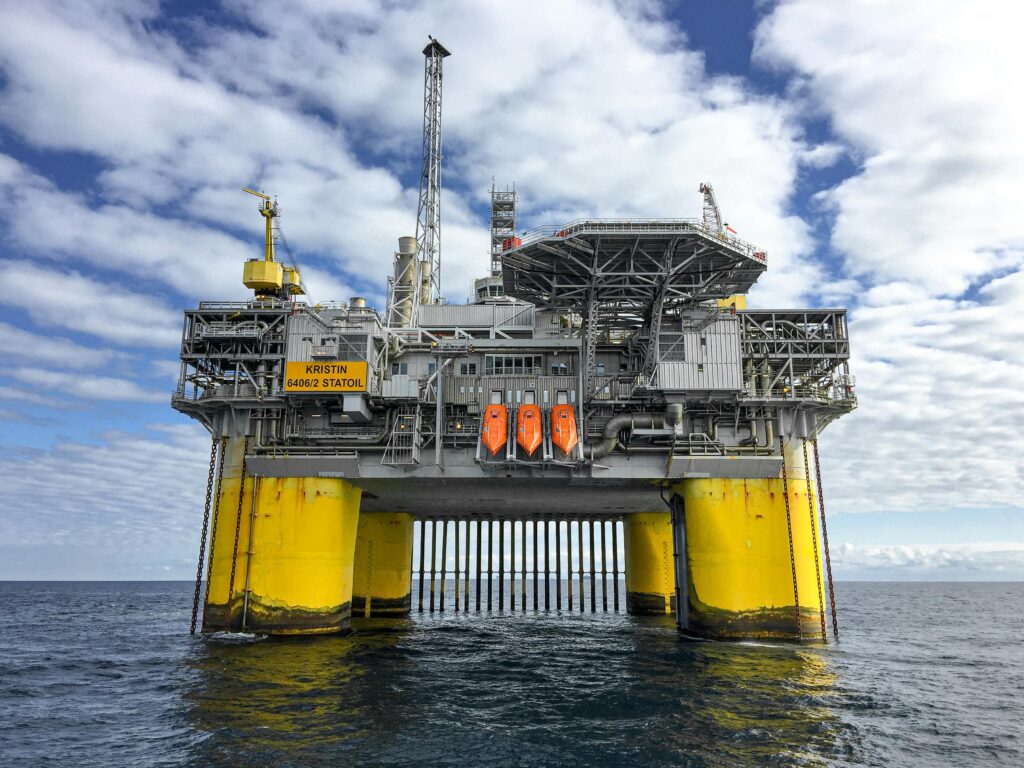
    The completion of the Dangote Refinery in Nigeria marks a significant milestone in Africa’s economic transformation. Spearheaded by Aliko Dangote, Africa’s richest and one of its most astute investors, this refinery, with a capacity for 650,000 barrels of crude oil per day, is not only the largest in Africa but also a testament to the continent’s ability to achieve self-sufficiency in refined petroleum products using private capital. This development is a focal point for the Africa Prosperity Dialogues, during which we will examine the investment model behind this achievement, particularly as Africa navigates the transition from fossil fuels to greener energy sources.

    Despite contributing the world’s smallest share of greenhouse gas emissions at just 3.8%, Africa faces practical challenges in adopting green energy. The focus remains on shifting from liquid fossil fuels to cleaner gas, a process that will be gradual due to investment limitations. Refining remains essential, given Africa’s reliance on imported refined products despite being a significant crude oil producer.

    In 2022, Africa produced an average of 7.1 million barrels of crude oil per day but refined only 3.38 million. This gap, exacerbated by countries like Ghana exporting all their production and importing refined products, results in a financial imbalance, with Africa spending more on petroleum products than it earns from crude oil sales. The continent’s refining capacity, heavily concentrated in Egypt, Algeria, and Libya, contrasts with the import dependency of most African countries, including Nigeria, which imports over 80% of its refined petroleum products. Remarkably, Ghana exports 100% of its produced crude oil, yet imports 100% of its crude inputs for local refineries. It is beyond apposite for Africa to abandon such colonial era agreements. One idea is to adapt these agreements so that where we create local demand for raw commodity sector outputs, all producers can be compelled to redirect at least a portion of their exports back into local production, at cost.

    The Dangote Refinery, expected to meet Nigeria’s entire refined petroleum needs and generate surplus for export, represents a shift towards local refining. This shift promises substantial economic benefits, including significant savings on import bills and foreign exchange. The Central Bank of Nigeria estimates that Dangote Refinery alone could save between US$25 billion and US$30 billion annually in foreign exchange.

    Furthermore, the Pan African Payments and Settlements System (PAPSS) will enable African countries to pay for refined petroleum products in local currencies, alleviating additional forex pressures. This system, coupled with the potential for countries to establish their own refineries and import crude from African producers, offers a sustainable economic model.

    Dangote demonstrates that private investment in refineries is viable in Africa, creating job opportunities and entrepreneurship prospects. During construction, it employed 40,000 workers, with an expectation to create over 250,000 direct and indirect jobs in full operation. Such initiatives are crucial for reducing Africa’s high unemployment rates.

    As Africa aims for industrialisation and intra-continental trade, the African Prosperity Dialogues present an opportunity to encourage leaders, entrepreneurs, investors, and technocrats to focus on developing refineries that can power industries and drive economic prosperity across the continent.

  • Unleashing Africa’s Demographic Dividend: Youth Challenges and Opportunities in Agenda 2063

    Unleashing Africa’s Demographic Dividend: Youth Challenges and Opportunities in Agenda 2063

    The world’s ten youngest countries by median age are all African. Today’s newborns will be navigating their forties by 2063 and inherit the African Union’s Agenda 2063. A staggering 60% of Africa’s population is under the age of 25. The continent’s youth play a central role in all our narratives.
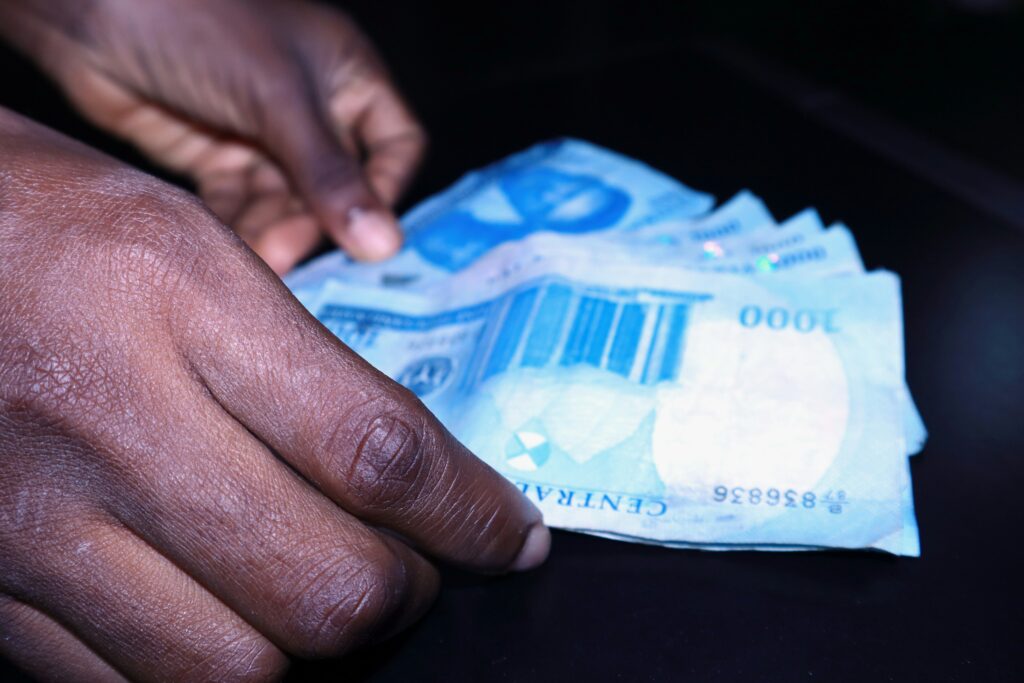
    However, the youth face formidable challenges. Unemployment rates soar as high as 40% in some countries, signalling an urgent crisis. Equally concerning is the education gap, with UNESCO noting that over 30 million primary-school-aged children in sub-Saharan Africa are out of school, impeding crucial skills development.

    Presently, youth representation in African political offices is strikingly low, with the median age of leaders at around 62 years. This gap highlights the need for policies that foster intergenerational equity transfer and meaningful youth contributions, especially at the AU level.

    The AU Commission’s Youth Division underscores the value of mentorship and civic education programmes. Countries that have implemented these initiatives witnessed increased youth participation in voting and leadership roles.

    Africa’s creative sector should be a leading area of youth employment. The sector holds immense economic potential, as noted by the United Nations Conference on Trade and Development (UNCTAD). The creative sector is estimated to be worth $2.25 trillion globally, yet Africa’s share is minimal due to low intellectual property (IP) rights ownership.

    The global animation industry alone grosses about $300 billion dollars annually but only a fraction of that value accrues in Africa. However, the IP rights are not owned by African animators, thus most of the revenue does not stay on the continent. Investment in the creative sector, coupled with effective policy to incentivise protection of African IP, could stimulate job creation and economic diversification.

    A surge in African patent applications, as reported by the World Intellectual Property Organisation (WIPO), signals growing innovation. Governments and private entities should capitalise on this trend by investing in creative hubs – such as Uganda’s Innovation Village – and supporting emerging artists and entrepreneurs.

    Investing in education is crucial, given the strong link between education and socio-economic development. Governments must prioritise education funding, ensuring curricula are aligned with modern job market needs.

    The transformative role of technology in empowering Africa’s youth is significant. The continent is expected to record the highest fixed broadband subscriptions growth rate between 2024 and 2027 globally. Leveraging technology for political engagement is crucial to increase civic participation and youth engagement in political processes.

    The challenges and opportunities facing Africa’s youth in leadership and the creative sector reveal a roadmap for transformative change. By addressing these challenges through youth inclusion, evidence-based policies and strategic investments, Africa can unlock its demographic dividend and empower its young population to actively shape the continent’s future.

    A data-driven approach is essential to ensure that the youth not only become beneficiaries but active contributors to Africa’s socio-economic and political landscape.

  • Shaping Africa’s Future: A Prosperity-Driven Narrative

    Shaping Africa’s Future: A Prosperity-Driven Narrative

    Written as a foreword in the APD 2024 Magazine by H.E. Nana Addo Dankwa Akufo-Addo, Former President, Republic of Ghana
    Africa stands poised to be propelled towards prosperity. The Africa Prosperity Network (APN) and the African Continental Free Trade Area (AfCFTA), and their partners, once again embark on a transformative journey to challenge prevailing stereotypes and redefine structures that reflect the true essence of the continent. The Africa Prosperity Dialogues (APD) have set the stage for dynamic, actionable narratives that uphold the dignity of Africa and her people.

    As Africa and Global Africa step into a future of shared prosperity within a single African market, an Africa Beyond Aid, four key messages that must undergird the continent’s prosperity narrative cannot be overemphasised.

    Firstly, there is an urgency to define our own positive narrative. For too long, external perceptions have shaped our identity, overshadowing the richness and potential of our continent. Poverty is not our narrative; prosperity must be, and it demands a collective effort to address governance issues. Investing in our people will help to harness Africa’s abundant resources towards development.

    Secondly, a deliberate and committed approach is essential to transform our development trajectory. With abundant natural resources, an active, youthful population, and indigenous knowledge, Africa possesses the necessary elements to become a global powerhouse. To make this happen, we must do business differently by embracing bold development ambitions, fostering innovation, and taking strategic actions to drive economic transformation.

    Thirdly, intra-African trade and cross-border impact investments are paramount. Throughout history, robust trade has been a catalyst for development, and the AfCFTA presents an unprecedented opportunity. For it to be a success, we must view the AfCFTA both as a linchpin of our economic transformation and an actionable and bankable policy drive that leads to a continent-wide prosperity.

    Finally, the theme for the year 2024 (Produce, Add Value, and Trade) encapsulates the essence of our prosperity vision. To fully leverage the opportunities of a single African market, we must scale up production, add value to our goods and services, and address obstacles hindering intra-African trade. It is time to move beyond trading raw materials and commodities in order to elevate Africa’s position in the global marketplace.

    The message from Africa Prosperity Dialogues 2024 is clear: the key to Africa’s prosperity lies in production, value addition, and robust trade. The President of the Republic of Ghana, in collaboration with Ghana’s partners, invites all Africans to join hands in building a solid foundation for the continent’s prosperity-the Africa We Want and the Africa We Deserve.

  • Africa Prosperity Dialogues (APD) 2026 launched at historic Malabo Leadership Breakfast Meeting

    Africa Prosperity Dialogues (APD) 2026 launched at historic Malabo Leadership Breakfast Meeting

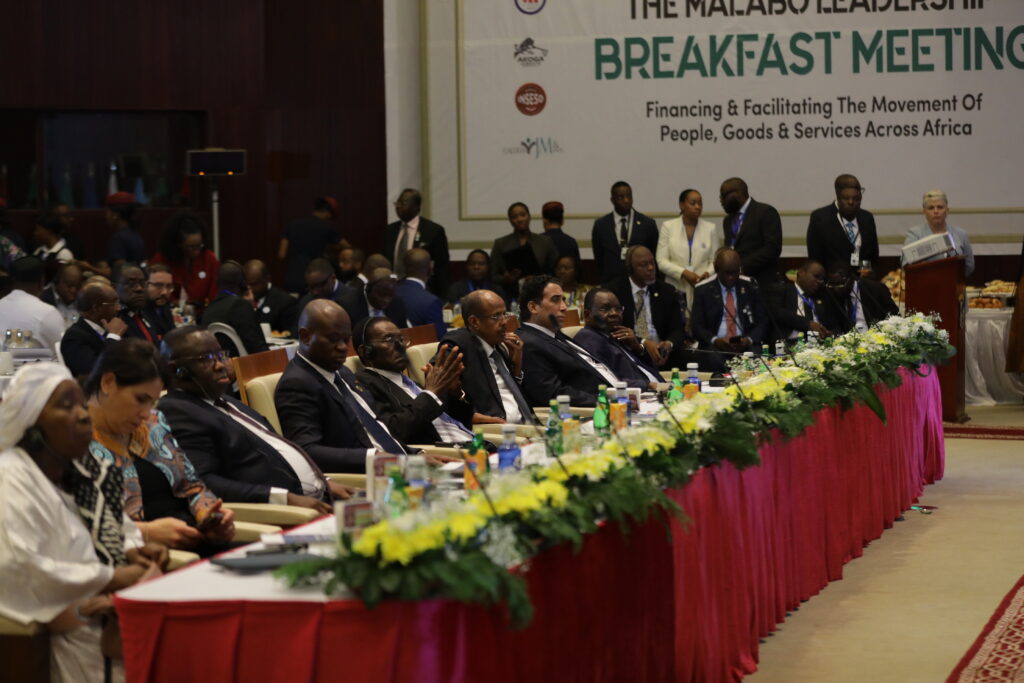
    Malabo, Equatorial Guinea – Tuesday, 15 July 2025 -The Africa Prosperity Dialogues (APD) 2026 was officially launched at the Malabo Leadership Breakfast Meeting, bringing together over 500 of Africa’s most influential political and business leaders on the sidelines of the African Union’s 7th Mid-Year Coordination Meeting. The historic gathering, held under the theme “Financing and Facilitating the Movement of People, Goods and Services Across Africa”, marked a pivotal moment in the continent’s journey towards economic integration and shared prosperity.

    High-Level Attendance

    The launch event was graced by an exceptional assembly of continental leadership, including His Excellency President Teodoro Obiang Nguema Mbasogo of Equatorial Guinea, His Excellency Brice Clotaire Oligui Nguema, President of Gabon, His Excellency Mohamed Yunus al-Menfi, Head of State of the State of Libya, and His Excellency Mahmoud Ali Youssouf, Chairperson of the African Union Commission, as well as H.E. Selma Malika Haddadi, Deputy Chairperson of the African Union Commission. The gathering also featured Madam Dr Nkosazana Dlamini-Zuma, Advisory Council Chairperson of the Africa Prosperity Network, alongside ministers of state, heads of regional economic blocs, development finance institutions, and Africa’s leading business executives.

    The meeting, organised by the Africa Prosperity Network (APN) and Invest Equatorial Guinea, in collaboration with the African Continental Free Trade Area (AfCFTA) Secretariat, demonstrated the powerful synergy between public and private sector initiatives in driving continental integration.

    Key Addresses and Vision

    President Teodoro Obiang Nguema Mbasogo – Host President

    Opening the breakfast meeting, President Obiang welcomed delegates to Malabo, emphasising the historic significance of the moment. “We are deeply pleased to welcome you to this city where African history is projected with hope towards the future. This morning of leadership is an opportunity to listen, coordinate and advance with a common vision towards the integration of the land of the African continent,” he declared.

    The President articulated three profound convictions driving Equatorial Guinea’s commitment to continental integration: “First, we believe in an Africa where integration is not limited to treaties but is reflected in the everyday life of our peoples, where Africans can move without obstacles, enriching the economic, social and cultural fabric of the continent.”

    He strongly endorsed the proposed innovative $1-a-day fund initiative, stating: “We support initiatives such as the $1 a day fund for its innovation and symbolism that shows that Africa can finance its development without mobilising its inhabitants with common objectives and transparent mechanisms.”

    Highlighting Equatorial Guinea’s progressive immigration policy, President Obiang noted: “Our country receives all immigrants as long as they have an identity. We receive immigrants from West Africa without any problem… Therefore, we believe that free movement is necessary to end the shame that African immigrants suffer when they leave for other continents.”

    H.E. Mahmoud Ali Youssouf – AU Commission Chairperson

    gratitude to the Africa Prosperity Network and Invest Equatorial Guinea for putting together such an important meeting ahead of the 7th AU Mid-Year Coordination Meeting and highlighted the challenging global environment, noting that protectionist measures have created “the greatest rupture of the international trade order since the end of the Second World War.” He outlined the consequences for Africa: “The internet has lowered its economic growth forecast from 4.2% to 3.8% for the year 2025. These measures are likely to cause the volatility of the prices of raw materials, increase the costs of employment and limit access to financing on the international financial market.”

    Referencing the continental vision, he stated: “We had the ambition, Madam Zuma, by deciding that for 2063, Africa must be a developed continent. And for this, we had to create the conditions for an economic growth of 7% every year over 50 years. Unfortunately, we have achieved only 4%. During the period of 2013-2023, we were behind. To compensate for this delay, we will now need a growth rate of 8% per year over the period of 2024-2063.”

    The Chairperson outlined six critical corridors for regional integration, including the East Africa corridor, the West Africa corridor, the Central Africa corridor, the North-South Africa corridor, the Trans-Saharan Africa corridor and the Maritime corridor, a newly proposed plan to connect island states to the continent.

    H.E. Ali Youssouf also outlined 5 Sectoral Infrastructure Priorities:

    • Transport Infrastructure: “The means of commuting, such as roads, railways and sea routes. These are the relevant pillars of African trade. I emphasise the urgent realisation of the African network of high-speed trains.”
    • Energy Infrastructure: “Access to reliable, competitive, sustainable and vital energy to support our industries and trade exchanges,” with a comprehensive energy classification including electricity, nuclear, gas, solar, coal, fuel, wind, and geothermal sources.
    • Digital Infrastructure: “Our continent must not remain on the verge of the digital revolution at this age of artificial intelligence.”
    • Aviation Infrastructure: Emphasising “the importance of making the unique market of maritime air transport effective” through the Single African Air Transport Market (SAATM).
    • Financial Infrastructure: Highlighting the Pan-African Payment and Settlement System (PAPSS) and the need for enhanced capitalisation of development banks.

    Madam Dr Nkosazana Dlamini-Zuma – Advisory Council Chairperson, Africa Prosperity Network

    Madam Dr Nkosazana Dlamini-Zuma delivered a passionate address on the transformative potential of Africa’s demographic dividend, particularly focusing on the continent’s youth and women. She highlighted critical statistics: “Africa’s future and prosperity can only be built or achieved by the Africans themselves. We are almost 1.4 billion strong, plus the diaspora, which is about 130 million plus. And together, we can build the Africa we want.”

    Using the example of a Ghanaian shea butter producer, she illustrated the market expansion potential: “Let’s take a woman in Ghana producing shea butter. If she starts thinking African, and the African continent has been changed, her market changes from 35 million plus to 1.4 billion people.”

    Kwaku Sakyi-Addo, Board Member & Executive Director, Africa Prosperity Network

    The official launch statement for APD 2026 was delivered on behalf of the Executive Chairman & Founder, Mr Gabby Asare Otchere-Darko, by Board Member & Executive Director, Mr Kwaku Sakyi-Addo, with remarkable clarity on the event’s transformative objectives. “What has been clear from this morning’s rich discussions on trade agreements, protocols, ease of travel and movements of goods and services is that it has affirmed a simple truth: Africa’s single market will only succeed if it becomes a market that allows the hundreds of millions of Africans involved in small and medium scale enterprises, our women, and our young people to effectively own and drive it.”

    The statement outlined ambitious targets: “If we achieve this, the ripple effects will be transformative. It can easily lead to 50 million jobs created by 2030, 30 million Africans lifted from poverty, and a single market that is truly inclusive, one that leaves no one behind.”

    Innovative Financing Mechanisms

    Eric Otoo presented the proposed innovative funding mechanism central to the APD vision, highlighting three key pillars driving optimism: the growing African middle class of 400-500 million people, the diaspora’s $100 billion annual remittances, and transformative technology enabling financial inclusion.

    “Imagine if at least every middle class… if even just 10 per cent contribute at least a dollar a day for a year, we’ll be able to mobilise at least $15 billion as Africans. This will be funding coming from Africans that will be utilised by Africans for the development and the growth of infrastructure and media industries across the continent,” he explained.

    The APD 2026 Vision

    The launching the fourth Africa Prosperity Dialogues (APD) 2026 under the theme “Empowering SMEs, Women & Youth in Africa’s Single Market: Innovate. Collaborate. Trade.”, saw high-level participants at the Malabo Leadership Breakfast meeting share in the bold reimagining of continental economic integration, placing small and medium enterprises (SMEs), women, and youth at the centre of Africa’s single market vision. The initiative recognises that Africa’s youngest population—60% under 35- is not merely beneficiaries of economic policy but active architects of the continent’s future.

    Key statistics underscore the urgency of this focus: women drive over 70% of cross-border trade and contribute to nearly half of Africa’s GDP, yet receive less than 2% of available venture capital. SMEs account for 80% of employment and 50% of GDP across African countries, yet most remain locked out of regional value chains.

    Policy Advocacy and Implementation

    The meeting track reinforced APN’s record of driving tangible policy outcomes, including contributions to the AU’s Digital Trade Protocol and the ongoing Nigeria-Ghana pilot programme for cross-border mobile money interoperability. The network’s advocacy efforts continue to focus on accelerating SAATM adoption, reducing aviation taxes, eliminating visa restrictions, and mobilising investment in infrastructure.

    Looking Forward

    The APD 2026 launch marks a crucial milestone in Africa’s journey towards genuine economic integration. By prioritising the empowerment of SMEs, women, and youth, the initiative promises to create a more inclusive and sustainable path to continental prosperity.

    The next Africa Prosperity Dialogues will convene in February 2026, building on the momentum generated at this historic Malabo breakfast meeting. The focus will remain steadfast on creating practical pathways for the continent’s most dynamic demographic groups to drive and benefit from Africa’s single market.

    For More Enquiries, contact

    Africa Prosperity Network, Communication Directorate
    Tel: +233 20 136 6105
    Web: www.africaprosperitynetwork.com

    Invest Equatorial Guinea, Communication Department
    Tel: +240 222 657 018
    Web: www.investguineaecuatorial.com

    About the Organisers

    Invest Equatorial Guinea serves as the nation’s premier investment promotion agency, facilitating foreign investment and trade whilst ensuring economic diversification and sustainable development. The agency provides comprehensive investor services through AfCFTA Advantage Programmes and Public-Private Partnership Frameworks.

    Africa Prosperity Network (APN) is an Accra-based nonprofit organisation dedicated to advancing Africa’s single market and Agenda 2063 through high-impact platforms, including the Africa Prosperity Dialogues. The network connects public and private sectors to accelerate continental integration and sustainable development across Africa.

    Distributed to all African and international media houses 

  • Leaders’ breakfast in Malabo: Africa discusses its economic integration and regional mobility

    Leaders’ breakfast in Malabo: Africa discusses its economic integration and regional mobility

    Malabo, Equatorial Guinea – June 18, 2025 – The African continent turns its attention to Equatorial Guinea. On Sunday, July 13, under the patronage of H.E. Teodoro Obiang Nguema Mbasogo, the Malabo Leaders’ Breakfast will be held, a high-level meeting also organised by the Africa Prosperity Network (APN) and Invest Equatorial Guinea, in collaboration with the Secretariat of the African Continental Free Trade Area (AfCFTA).
    The event, which precedes the 7th African Union Mid-Year Coordination Meeting, will bring together Heads of State, AU Commissioners, leaders of the Regional Economic Communities (RECs), global financial leaders, and strategic stakeholders from the continent, with a common goal: to break down the barriers that impede the free movement of people, goods, and services in Africa.

    A clear agenda: connecting Africa from Africa

    The main theme of the breakfast will be “Financing and facilitating the movement of people, goods, and services in Africa,” seeking to generate real proposals to accelerate continental integration.

    Under the theme “Financing and Facilitating the Movement of People, Goods, and Services Across Africa,” the event will address the challenges that still hinder continental integration, such as insufficient cross-border infrastructure and regulatory restrictions affecting the mobility of people and goods.

    “Malabo takes us from diagnosis to practice. We will translate commitments into concrete financing and implementation of policies for free movement, starting with the Dollar a Day Fund,” said Sidig El Toum, executive director of APN.

    A simple idea, a continental impact

    One of the key highlights will be the launch of the Integrated Infrastructure Growth Fund for Africa, an initiative championed by H.E. Dr. Nkosazana Dlamini Zuma during the Africa Prosperity Dialogues 2025, whose leadership of the AU Commission launched Agenda 2063.

    The proposal invites the African middle class to contribute as little as $1 a day, with the goal of generating more than $20 billion annually to finance roads, digital networks, airports, bridges, and other strategic projects that connect people and markets. With the participation of just 50 million African citizens, the initiative would accelerate key continental connectivity projects.

    Four key priorities

    The Malabo Breakfast will promote concrete actions around:

    • Positioning Equatorial Guinea as a new regional investment hub.
    • Facilitating intra-African mobility, eliminating visa barriers and reducing logistics costs.
    • Activating the Single African Air Transport Market (SAATM).
    • Proposing sustainable and innovative crowdfunding models for continental infrastructure.

    Confirmed Participants

    The event will include:

    • Heads of State and AU leaders
    • Members of the Government
    • Heads of RECs
    • Presidents of Development Finance Institutions
    • Leaders from sectors such as aviation, banking, telecommunications, fintech, construction, transportation, and logistics.

    Equatorial Guinea: Investment, Stability, and Regional Outreach

    For Equatorial Guinea, the event is also a platform to reaffirm its commitment to economic diversification, regional cooperation, sustainable development, and active integration into regional value chains, presenting the country’s Investment Agenda as a pillar of this goal.

    With modern infrastructure, access to skilled human capital, and a strategic location in the heart of Africa, Invest Equatorial Guinea is launching, positioning the country as a new hub for investment, foreign trade, and innovation in the region. It also assumes a potential role in the African Continental Free Trade Area (AfCFTA).

    “Hosting this summit reflects our commitment to continental integration. We offer investors unparalleled infrastructure, stability, and market access, demonstrating that Africa’s single market can work for everyone,” states Invest Equatorial Guinea.

    Event Details

    Date: July 13, 2025 | Time: 7:00 a.m. GMT+1

    Venue: Sipopo International Conference Center, Malabo

    Media Accreditation: j.krampa@africaprosperity.network

    Press Contact:

    Director of Communication, Africa Prosperity Network, +233 20 136 6105

    www.africaprosperitynetwork.com

    Director of Communication, Invest Equatorial Guinea, +240 222 657 018

    www.investguineaecuatorial.com

    About the Organisers

    Invest Equatorial Guinea

    The public agency that promotes foreign investment and trade in the country, ensuring economic diversification, the internationalisation of domestic companies, and the country’s sustainable development. We facilitate market access through:

    • AfCFTA Advantage Programs
    • Public-Private Partnership Frameworks
    • Comprehensive Investor Services

    (Contact: info@investguineaecuatorial.com,  https://www.investguineaecuatorial.com/) 

    Africa Prosperity Network (APN) 

    Accra-based nonprofit organisation that promotes Agenda 2063 through high-impact platforms such as the Africa Prosperity Dialogues. We connect the public and private sectors to accelerate continental integration.

    Confirmed Participants

    The event will include:

    • Heads of State and AU leaders
    • Members of the Government
    • Heads of RECs
    • Presidents of Development Finance Institutions
    • Leaders from sectors such as aviation, banking, telecommunications, fintech, construction, transportation, and logistics.

    Equatorial Guinea: Investment, Stability, and Regional Outreach

    For Equatorial Guinea, the event is also a platform to reaffirm its commitment to economic diversification, regional cooperation, sustainable development, and active integration into regional value chains, presenting the country’s Investment Agenda as a pillar of this goal.

    With modern infrastructure, access to skilled human capital, and a strategic location in the heart of Africa, Invest Equatorial Guinea is launching, positioning the country as a new hub for investment, foreign trade, and innovation in the region. It also assumes a potential role in the African Continental Free Trade Area (AfCFTA).

    “Hosting this summit reflects our commitment to continental integration. We offer investors unparalleled infrastructure, stability, and market access, demonstrating that Africa’s single market can work for everyone,” states Invest Equatorial Guinea.

    Event Details

    Date: July 13, 2025 | Time: 7:00 a.m. GMT+1

    Venue: Sipopo International Conference Center, Malabo

    Media Accreditation: j.krampa@africaprosperity.network

    Press Contact:

    Director of Communication, Africa Prosperity Network, +233 20 136 6105

    www.africaprosperitynetwork.com

    Director of Communication, Invest Equatorial Guinea, +240 222 657 018

    www.investguineaecuatorial.com

    About the Organisers

    Invest Equatorial Guinea

    The public agency that promotes foreign investment and trade in the country, ensuring economic diversification, the internationalisation of domestic companies, and the country’s sustainable development. We facilitate market access through:

    • AfCFTA Advantage Programs
    • Public-Private Partnership Frameworks
    • Comprehensive Investor Services

    (Contact: info@investguineaecuatorial.com,  https://www.investguineaecuatorial.com/) 

    Africa Prosperity Network (APN) 

    Accra-based nonprofit organisation that promotes Agenda 2063 through high-impact platforms such as the Africa Prosperity Dialogues. We connect the public and private sectors to accelerate continental integration.

    (Contact: info@africaprosperitynetwork.com) 

  • Africa Prosperity Network hosts landmark webinar on  funding infrastructure for continental trade and mobility

    Africa Prosperity Network hosts landmark webinar on funding infrastructure for continental trade and mobility

    Accra, Ghana, 10 April 2025 — The Africa Prosperity Network (APN), in collaboration with the African Continental Free Trade Area (AfCFTA) Secretariat, yesterday hosted a critical post Africa Prosperity Dialogues (APD) 2025 webinar examining how Africa can effectively fund and build the infrastructure necessary to support trade, people movement, and continental prosperity.
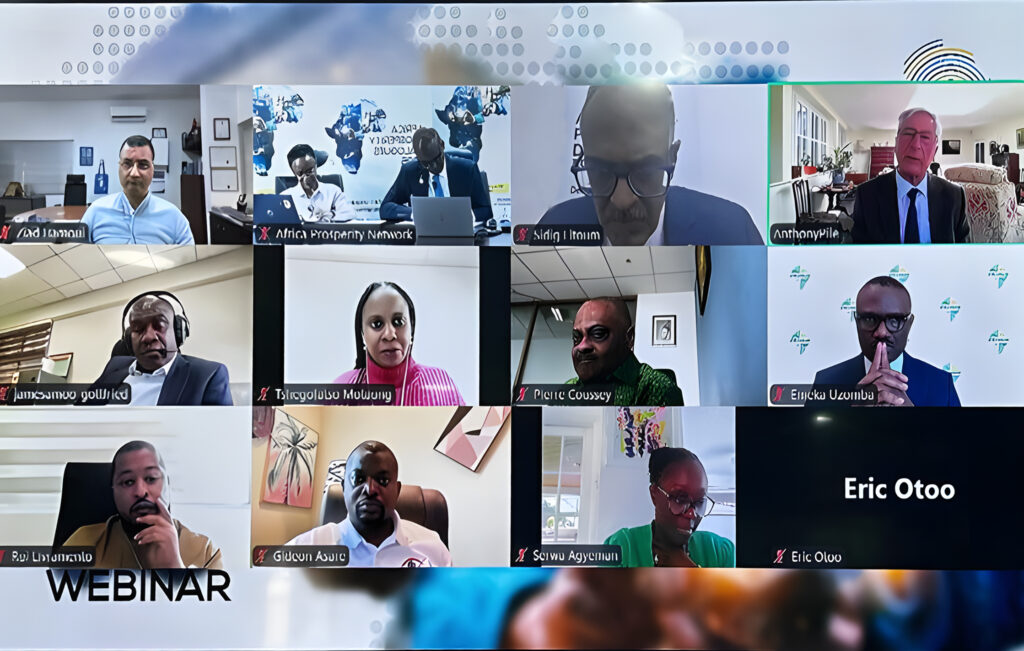
    The virtual event, titled “The Africa We Want: How Should Africa Fund and Build the Infrastructure for Trade, People Movement and Prosperity?”, was moderated by Nana Yaa Mensah and Kojo Mensah of Asaase Radio. It brought together key stakeholders from financial institutions, manufacturing, logistics, tourism, engineering, and development sectors to discuss transformative solutions to Africa’s infrastructure challenges.

    Addressing the webinar, Mr Sidig Eltoum, Chief Executive Officer of the Africa Prosperity Network, highlighted the fundamental infrastructure gaps hindering Africa’s economic integration.

    “Africa’s infrastructure deficit is mainly caused by fragmented road, air transport, and rail networks, unreliable energy supply, inefficient logistics systems and limited digital connectivity,” said Mr Eltoum. “Infrastructure is not only a commercial opportunity but also a vehicle for long-term prosperity for Africa.”

    Mr Rui Pedro Afonso Livramento, Chief of Staff at the AfCFTASecretariat, underscored the urgency of action. “The time to build infrastructure is now; we need more actions that can translate into plans”, said Mr Livramento.

    GROUNDBREAKING “ONE DOLLAR A DAY” INITIATIVE UNVEILED

    A highlight of the session was the detailed presentation of the Integrated Africa Infrastructure Growth Fund—also known as the “One Dollar A Day” campaign—a revolutionary crowdfunding initiative that emerged post-APD 2025.

    Mr Eric Otoo, a finance expert from Ghana who is spearheading the initiative, provided comprehensive details about this innovative funding approach.

    “The One Dollar A Day project will have two parts: the commercial aspect and the social aspect,” explained Mr Otoo. “The commercial aspect will target institutions, especially multilateral organisations, while the social aspect will take the form of donations from individuals and organisations to finance selected infrastructure projects in Africa.”

    Mr Otoo emphasised the importance of immediate action: “Africa Infrastructure Development Funding: We have started, and we have to start somewhere. Let’s be unified and take the steps now.” The two-hour session examined how colonial-era infrastructure systems—designed primarily for resource extraction—continue to impede intra-African trade and economic integration.

    Participants explored how the “One Dollar A Day” initiative could harness support from both Africans and the Global African diaspora to create a sustainable funding model for the continent’s infrastructure needs.

    INFRASTRUCTURE GAPS AND ECONOMIC IMPACT

    World Bank estimates suggest full realisation of an integrated African market could increase continental income by $450 billion by 2035 and potentially lift 30 million people out of extreme poverty. However, Africa faces an annual infrastructure financing gap of approximately $130-170 billion, well beyond what governments can shoulder alone.

    Currently, substandard transport infrastructure inflates intra-African trade costs by 30% to 40%, with intra-African trade remaining low at just 30-40% compared to other regions.

    Mr Ziad Hamoui, President of Borderless Alliance (Ghana), addressed these challenges directly: “Africa’s Infrastructure Development Funding: We need to understand what the problem is, so that we can come up with a pragmatic solution.”

    Mr Hamoui called for a transformative vision: “True African integration requires us to reimagine our borders not as barriers but as bridges—points of connection rather than division. A fundamental shift in mindset is required where we see seamless movement of goods and people as an economic multiplier to unleash.”

    INNOVATIVE FINANCIAL SOLUTIONS

    The webinar explored multiple financing approaches, with Mr Emeka Uzomba, Director of Banking & Special Initiatives at the Office of the President, Afreximbank, detailing three revolutionary approaches:

    1. Infrastructure bonds with Afreximbank guarantees offering 8-10% returns

    2. A proposed Pan-African Infrastructure Credit Rating system to de-risk projects

    3. Blended finance facilities where multilateral institutions absorb first-loss portions

    “As a bank, we have funded many infrastructure projects across the continent to help with the connectivity of goods and services on the continent,” Mr Uzomba said, adding that Afreximbank has earmarked $5 billion for corridor projects meeting specific integration criteria, with disbursements beginning Q3 2025.

    Mr James Amoo-Gottfried, Director of Urban Roads at Ghana’s Ministry of Roads and Highways, shared Ghana’s innovative Road Fund model, which combines fuel levies (6% of pump price), toll revenues, and digital road tolling to create sustainable financing. “The Africa We Want should be deliberately crafted for our purposes,” he said.

    Mr Pierre Coussey, a businessman from Ghana, highlighted the critical link between infrastructure investment and profitability. “We need to align profitability to our development,” he stated. “For someone to invest in infrastructure, we must show profitability.”

    Ms Serwaa Agyemang-Botchey from Microsoft London advocated for an incremental approach: “Africa’s Infrastructure Development Funding: We need to start small with a couple of principles, then over time, we can scale up. We need to get something done.”

    ADDRESSING MOVEMENT AND CONNECTIVITY BARRIERS

    The webinar tackled challenges related to visa restrictions and border complexities that impede the free movement of people and goods across Africa.

    Mr Gideon Asare, Chief Executive Officer of Adansi Travels, highlighted stark statistics: “Only 25% of intra-African air routes are served directly, while visa-on-arrival policies cover just 54% of the continent. A simple business trip between Accra and Nairobi typically costs 40% more and takes twice as long as traveling to Dubai as a result of tough visa processes, lack of integrated transport systems, and protectionist aviation policies.”

    He also said that “the challenges we face at the borders are so huge; the documentation is not harmonised, and the travel requirements across borders is problematic. Visa restriction is something we need to look at across Africa; there should be easy movement of goods and services across the continent.”

    Mr Anthony Pile, Chairman of Blue Skies Holdings, directly addressed the issue: “We do not need to be stuck in borders to limit our trade.”

    THE ACCRA COMPACT 2025 FRAMEWORK

    The webinar built on the recent Africa Prosperity Dialogues 2025 in Accra, which culminated in the APD 2025 Compact—a clear framework of commitments among business leaders, heads of state, and development partners.

    This compact centres on commitments from governments, the private sector, and multilateral institutions. The private sector has pledged to invest in transformative projects such as regional railways, renewable energy, and digital systems via public-private partnerships.

    Governments, in turn, have committed to enabling environments through policy reform, regulatory streamlining, and project delivery, especially in corridors like Lagos-Abidjan and the Lobito Corridor. Multilateral institutions, including the AfDB and Africa50, have vowed to mobilise up to $2 trillion in domestic capital, leveraging blended finance and de-risking instruments.

    Ms Tshegofatso Motaung, Founder of CedarLeb (South Africa), noted that “MSMEs can benefit and scale up businesses to expand their markets when critical infrastructure is put in place.”

    BACKGROUND

    The webinar built on discussions from the Africa Prosperity Dialogues 2025, held in Accra from 30 January to 1 February, which produced the Accra Compact 2025 with 44 recommendations for action by African Union member states.

    Africa’s infrastructure challenges are particularly pressing given demographic trends: over the past three decades, 28 African nations have doubled their populations, with another 26 expected to do so within the next three decades.

    The operationalisation of the AfCFTA in 2021 created the world’s largest single market, encompassing over 1.4 billion people with a combined GDP of $3.4 trillion, further highlighting the critical need for infrastructure investment.

    Signed.

    Communication Directorate

    Africa Prosperity Network

    For more information, visit: www.africaprosperitynetwork.com

    To all media houses

  • APD 2025 Compact calls for action at the 38th African Union Summit

    APD 2025 Compact calls for action at the 38th African Union Summit

    Addis Ababa, 17 February 2025 – The outcome document or Compact from the Africa Prosperity Dialogues (APD) 2025, held in Accra, Ghana, from Thursday 30 January to Saturday 1 February 2025, was distributed at the 38th African Union (AU) Summit in Addis Ababa, Ethiopia, which took place from Saturday 15 to Sunday 16 February 2025.
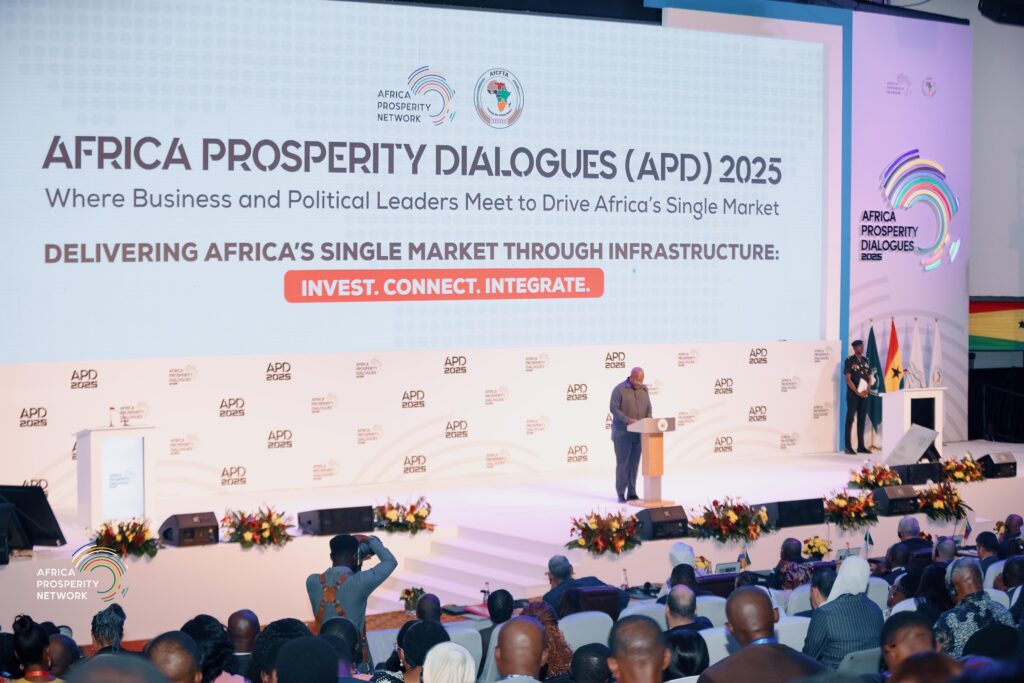
    The 40-page Compact, which includes a transformative agenda to accelerate economic integration, advance strategic infrastructure development and unlock Africa’s full economic potential, was agreed through enthusiastic discussions. It renews the call for immediate action to advance Africa’s aspiration for a single market through the African Continental Free Trade Area Agreement (AfCFTA).

    The Dialogues brought together over 2,500 leaders from 47 countries across Africa and the Global African diaspora. The APD 2025 Compact is the overarching outcome of the Dialogues and encapsulates a fresh sense of commitment and cooperation among African leaders and global stakeholders.

    The APD2025 Compact

    The APD 2025 Compact is the outcome of the Africa Prosperity Dialogues 2025, which took place under the theme Delivering Africa’s Single Market Through Infrastructure: Invest. Connect. Integrate.

    Speaking to the press, Sidig El Toum, CEO of the Africa Prosperity Network (APN), declared: “This landmark document sets out a collective vision for Africa’s economic growth and prosperity, structured around five transformative pillars: financing for strategic infrastructure, transport and logistics integration, energy security and power integration, digital transformation and social infrastructure.”

    The Compact’s five pillars are as follows:

    • Transport and logistics integration

    This pillar emphasises the implementation of the Single African Air Transport Market (SAATM) and addresses the 30-40% cost premium currently weighing down intra-African trade. It advocates comprehensive air service liberalisation and the execution of Africa’s Integrated Maritime Strategy 2050.

    • Energy security and power integration

    This pillar addresses the widespread power reliability challenges affecting over 30 African nations by advocating interconnected power grids and harmonised regional energy policies. It highlights strategic, multibillion-dollar projects such as the Grand Inga Dam for hydropower and the exploration of solar energy potential in the Sahara and Kalahari Deserts.

    • Digital transformation

    Building on the AU Protocol on Digital Trade and the report Scaling Up Interoperability for Economic Integration: Using Mobile Money to Buy and Sell Across Africa, the APD 2025 Compact establishes a five-year roadmap for achieving Pan-African mobile system interoperability.

    It prioritises investments in broadband infrastructure, e-commerce platforms and unified regulatory frameworks to accelerate digital trade. The Compact calls on heads of state, policymakers, regulators and stakeholders to commit to:

    1. Ensuring all member states join the Pan-African Payment and Settlement System (PAPSS) by 2027.
    2. Enhancing cross-platform integration using the Ghana interoperability model to ensure seamless transactions between mobile money accounts, banks and other payment channels by 2027.
    3. Enabling cross-border mobile money interoperability across all AU regional blocs and within every member state by 2030.
    • Health care and social infrastructure

    This pillar focuses on strengthening health-care systems through increased domestic pharmaceutical production and digital health solutions, including integrated mobile payment and insurance platforms. It also calls on governments to prioritise STEAM education to equip young Africans with entrepreneurial and employable skills to leverage AfCFTA opportunities.

    • A-Dollar-A-Day Infrastructure Fund

    The Compact introduces an innovative Integrated Africa Infrastructure Growth Fund, targeting the mobilisation of over $2 trillion in its first decade. This will be achieved by means of various strategies, including a retail-driven initiative encouraging contributions of one dollar a day.

    Targeted investors include Africa’s growing middle class (including the Global African diaspora), domestic capital markets, multilateral financial institutions, pension funds, insurance companies and sovereign wealth funds, supported by streamlined regulations and risk mitigation mechanisms.

    “If 100 million Pan-Africanists, including people of African descent and friends of Africa, commit to investing as little as $30 a month into a well-structured fund under the auspices of the AfDB and others, it could generate an additional $36.5 billion annually to finance the railways and roads that will comprehensively connect our continent from north to south and east to west,” said Gabby Asare Otchere-Darko, founder and executive chairman of APN.

    APD 2025

    The APD is a call to action, mobilising leaders from both the private and public sectors to work collaboratively to drive economic growth, reduce poverty and improve the lives of African citizens. The recently concluded APD 2025 was a resounding success. The Dialogues addressed the continent’s critical challenges and industrialisation priorities, advancing commercial and infrastructural interventions to realise the vision of “The Africa We Want”.

    Day One (30 January): The event commenced with the opening of the Projet Afrique exhibition, APD Breakfast Meetings and the official opening ceremony, featuring international dignitaries. H.E. the Vice-President of the Republic of Ghana, Jane Naana Opoku-Agyemang, delivered the keynote address.

    Day Two (31 January): Critical discussions focused on sustainable energy solutions, digital infrastructure, manufacturing capacity, STEM education, health-care systems and sustainable urban development. Participants also engaged in an open forum on the APD 2025 theme, forming the foundation of the summit’s outcome document.

    Day Three (1 February): The final day featured the High-Level Heads of State and Business Leaders’ Dialogue, culminating in a Presidential Round-Table discussion of policy frameworks for private sector participation in Africa’s single market. Three heads of state took part. The day concluded with a signing ceremony marking the collaboration between the AfCFTA Secretariat and BADEA, followed by the Africa Prosperity Champions Awards (APCA) and the Presidential Gala Dinner.

    About APN

    The Africa Prosperity Network (APN) is a private, non-profit organisation dedicated to advancing the vision of “The Africa We Want”, as outlined in the African Union’s Agenda 2063. It promotes Africa’s progress, independent of external aid.

    The Africa Prosperity Dialogues series provides a strategic platform for leaders to move the continent’s economic integration agenda from ambition to tangible action, facilitating the implementation of AfCFTA initiatives and shaping the Africa Agenda for Action.

    Signed:

    Communication Directorate,
    Africa Prosperity Network

    For more details, visit: www.africaprosperitynetwork.com

    ENDS

    To all media houses

    APD 2025 Compact calls for action at the 38th African Union Summit

  • Africa Prosperity Dialogues (APD) 2025 Compact calls for Dollar-a-Day fund by Africans for infrastructure to connect Africa

    Africa Prosperity Dialogues (APD) 2025 Compact calls for Dollar-a-Day fund by Africans for infrastructure to connect Africa

    Accra, Ghana, 7 February 2025 – The Africa Prosperity Network (APN) and the African Continental Free Trade Area (AfCFTA) Secretariat today unveiled a groundbreaking Infrastructure Compact, marking a decisive step for Africans to take into their own hands the destiny of financing Africa’s all-important economic integration agenda.

    A highlight of the Compact is an ambitious initiative to mobilise a critical mass of Africans, targeting some 100 million people, to invest as little as US$1 a day into a special infrastructure fund, sponsored by the AfCFTA Secretariat. This fund will be dedicated to financing the building of major, connecting infrastructure projects – including energy, transport and digital – that are needed to facilitate the transformation and integration of the continent’s 55 economies into the world’s largest single market.

    The 2025 edition of the Africa Prosperity Dialogues (APD), an AfCFTA-focused annual gathering of Africa’s decision-makers, was held from 30 January to 1 February at the Accra International Conference Centre, Accra, under the theme “Delivering Africa’s Single Market Through Infrastructure: Invest. Connect. Integrate.” The summit brought together prominent African leaders and policymakers to address critical infrastructure challenges facing the continent.

    The distinguished guests present included:

    • H.E. John Dramani Mahama, President of the Republic of Ghana (host country of the AfCFTA
      Secretariat and APN)
    • H.E. Faure Essozimna Gnassingbé, President of the Republic of Togo
    • H.E. Azali Assoumani, President of the Union of Comoros
    • H.E. Naana Jane Opoku-Agyemang, Vice-President of the Republic of Ghana
    • H.E. Wamkele Keabetswe Mene, AfCFTA secretary general
    • Honourable Ibrahim Boughali, Speaker of the People’s National Assembly, Algeria
    • Dr Nkosazana Dlamini-Zuma, APN Advisory Council chair
    • Dr Sidi Ould Tah, President of the Arab Bank for Economic Development
      in Africa (BADEA)
    • Mesfin Tasew Bekele, group CEO, Ethiopian Airlines Group

    The Infrastructure Compact outlines five transformative pillars for immediate implementation:

    1. Transport and logistics integration: The framework prioritises the implementation of the Single African Air Transport Market (SAATM) and addresses the 30-40% cost premium currently weighing down intra-African trade. It advocates comprehensive air service liberalisation and the execution of Africa’s Integrated Maritime Strategy 2050.
    1. Energy security and power integration: Responding to widespread challenges with reliable power, which affect over 30 African nations, the Compact emphasises developing interconnected power grids and harmonised regional energy policies, with a special focus on multibillion-dollar strategic projects such as the Grand Inga Dam for hydropower and exploration of using the Sahara and Kalahari Deserts for solar energy for Africa and beyond.
    • Digital transformation: Building on the AU Protocol on Digital Trade and the report Scaling Up Interoperability for Economic Integration: Using Mobile Money to Buy and Sell Across Africa, the APD 2025 Compact establishes a five-year roadmap for achieving Pan-African mobile system interoperability, prioritising investments in broadband infrastructure, e-commerce platforms and unified regulatory frameworks to accelerate digital trade. It further calls on heads of state and government, policymakers, regulators and all key stakeholders to commit extensively to achieving the following:
      • Bring all member states on board the Pan-African Payment and Settlement System (PAPSS) by 2027;
      • Using the Ghana interoperability model, enhance cross-platform integration to ensure seamless transactions between mobile money accounts, banks and other payment channels by 2027;
      • Allow cross-border mobile money interoperability across all AU regional blocs and in every member state by 2030.
    1. Health care and social infrastructure: Comprehensive recommendations focus on strengthening health-care systems through increased domestic pharmaceutical production capacity and digital health solutions, including integrated mobile payment and insurance platforms. Further call on all governments to prioritise STEAM education to equip young Africans with both entrepreneurial and employable skills to take advantage of AfCFTA.
    • Strategic infrastructure financing: The Compact introduces an innovative Integrated Africa Infrastructure Growth Fund targeting in excess of $2 trillion in mobilisation over its first decade and using, among other tools, a retail drive seeking campaign: A-Dollar-A-Day. Targeted investors will include Africa’s growing pool of middle-class people (including Global Africans), estimated to be a population of over 400 million, domestic capital markets, multilateral financial institutions, pension funds, insurance companies and sovereign wealth funds, supported by streamlined regulations and risk mitigation mechanisms. “If 100 million Pan-Africanists, including people of African descent and friends of Africa, commit to investing as little as US$30 a month into a well-structured fund, under the auspices of the AfDB and others we have, that alone gives Africa $36.5 billion extra funds a year to help finance the railways and roads that will, within five years, comprehensively connect our continent from north to south and east to west,” says Gabby Asare Otchere-Darko, the executive chairman of APN.

    Commitment to action: leaders push for implementation

    Emphasising the need for urgent action, President John Mahama declared: “The decisions we make at this conference must not end in resolutions alone. We must act with urgency, determination and a shared vision for prosperity. Let us rise to the occasion, break down the barriers that divide us and build a strong, self-reliant and globally competitive Africa.”

    Presidents Gnassingbé and Assoumani echoed this commitment, while AfCFTA Secretary General Wamkele Mene announced the AfCFTA Transit Guarantee Scheme, set to launch this year, as a key step in implementing the Compact’s recommendations.

    The summit culminated in the ceremonial lighting of the Africa Trade Torch (ATT), an Africa Business Council-led private sector initiative, symbolising the commitment to mainstream AfCFTA benefits across African communities, with particular emphasis on SMEs, women-led enterprises and youth engagement.

    Secretary General Wamkele Mene announced the imminent launch of the AfCFTA Transit Guarantee Scheme, demonstrating tangible progress towards implementing the Compact’s recommendations.

    Dr Dlamini-Zuma noted Ghana’s mobile payment ecosystem as a potential blueprint for continental digital financial integration.

    Sidig El Toum, APN’s chief executive officer, highlighted the annual Africa Prosperity Dialogues as a crucial occasion in uniting Africans around a shared vision, driving collaborative action and ensuring that our solutions are both practical and impactful.

    Towards a prosperous Africa: APN’s continued commitment

    As the organising body of APD, the Africa Prosperity Network (APN) remains steadfast in advancing the vision of the “Africa We Want”, in line with the AU Agenda 2063. Through platforms such as the Africa Prosperity Dialogues, APN is driving Africa’s progress through collaboration, innovation and self-reliance – ending dependence on external aid.

    The comprehensive framework emerged from the Africa Prosperity Dialogues (APD) 2025. The event attracted 5,000 participants from 46 countries, including African heads of state, industry leaders, CEOs, government ministers, policymakers, thought leaders and development partners. APN will hold a press conference on the sidelines of the 38th African Union (AU) Summit, which will convene on 15 and 16 February 2025 in Addis Ababa, Ethiopia, bringing together heads of state and government from all 55 AU member states, alongside leaders of international organisations, non-governmental organisations (NGOs) and the private sector.

    Signed:

    Communication Directorate,
    Africa Prosperity Network

    For more details, visit: www.africaprosperitynetwork.com

    ENDS

    To all media houses

  • Three thousand delegates, seven African heads of state to participate in APD 2025

    Three thousand delegates, seven African heads of state to participate in APD 2025

    Accra, Ghana, 27 January 2025 – The Africa Prosperity Network (APN) has confirmed that over 3,000 delegates from more than 46 countries worldwide will converge at the Accra International Conference Centre (AICC) for the 2025 edition of the Africa Prosperity Dialogues (APD), scheduled to take place from Thursday 30 January to Saturday 1 February 2025.

    The landmark gathering will feature seven confirmed African heads of state, reinforcing the event’s significance as a premier platform for advancing Africa’s economic integration and prosperity agenda.

    This announcement was made during an APN/AfCFTA hybrid press conference for the 2025 APD, which took place at the AfCFTA Secretariat, Accra, on Monday 27 January 2025.

    APD 2025, hosted by APN in collaboration with the AfCFTA Secretariat, will centre on the theme “Delivering the African Single Market Through Infrastructure: Invest. Connect. Integrate“. The Dialogues aim to galvanise public and private-sector stakeholders to accelerate infrastructure investments and integration critical to realising Africa’s vision of a single, interconnected continental market.

    Importance and key partnerships

    In his welcome address to the press conference, Sidig Faroug El Toum, chief executive officer of APN, emphasised the magnitude of the event. “This year’s Dialogues will be unprecedented in scope, with participation from diverse global players and leadership. Having over 3,000 delegates and seven heads of state join us in Accra highlights the immense interest in advancing Africa’s economic prospects through strategic infrastructure investments,” he said.

    El Toum expressed his gratitude to APN’s partners for their role in the success of the APD. We thank the African Continental Free Trade Area Secretariat for walking with us on this journey towards prosperity. We treasure the partnerships we have established with numerous actors. We also deeply appreciate the Ghanaian people for their warm hospitality, which has been instrumental in hosting this event successfully, he said.

    Praising the media’s pivotal role in advancing the goals of the Africa Prosperity Dialogues, El Toum said: We treasure and value our partnership with the media, and we sincerely thank them for their contributions [which] have materialised into a clearer and more influential role in shaping the Dialogues themselves, and we look forward to strengthening this collaboration.

    Infrastructure

    The chief of staff at the African Continental Free Trade Area (AfCFTA) Secretariat, Rui Pedro Afonso Livramento, underscored the critical role of infrastructure in achieving the vision of a fully integrated African single market. He reaffirmed the Secretariat’s commitment to fostering collaborations to address infrastructure deficits that continue to impede intra-African trade.

    “The AfCFTA has made significant strides since its inception, including establishing a solid institutional framework and recording growth in trade under the Guided Trade Initiative,” he said. “However, infrastructure remains a critical bottleneck. Inefficient transport and logistics add 30 to 40 per cent to intra-African trade costs, particularly affecting small and medium enterprises (SMEs).”

    Progress and Collaboration

    Rui Pedro Afonso Livramento highlighted that to address these challenges, the AfCFTA Secretariat has championed the establishment of trade aggregators to integrate SMEs into continental value chains. He commended countries such as China, Egypt, Kenya and South Africa for leading efforts in this regard. He called for stronger partnerships among governments, private-sector actors, and development partners to create an enabling environment for infrastructure development.

    He said the theme “Delivering African Single Market Through Infrastructure: Invest. Connect. Integrate” for APD 2025 aims to underscore the importance of infrastructure development in realising the continent’s ambitious economic goals. “This theme emphasises the crucial role of infrastructure in enabling the free movement of products, services, and investments across borders,” Livramento said. “Infrastructure modernisation, enhanced connectivity, and digital innovation will be fundamental to unlocking the transformative potential of the AfCFTA.” He expressed optimism that the 2025 edition of the APD would generate valuable insights and build momentum to accelerate the AfCFTA’s implementation.

    High-powered delegations

    Stéphanie Diatta, head of partnerships and international relations at the APN Secretariat, outlined plans for APD 2025. She said that the event will bring together representatives from 46 countries, with seven heads of state having confirmed their attendance. She emphasised that this diverse and influential assembly will focus on strategic solutions aimed at transforming Africa’s borders into bridges of economic integration and opportunity.

    The Dialogues will be graced by prominent personalities, including Mesfin Tasew, the Group CEO of Ethiopian Airlines, whose visionary leadership has elevated African aviation to the global stage. Other confirmed dignitaries include Ambassador Bridgette Motsepe, a respected advocate for economic empowerment in Africa; Dr Abdulhamid Al Khalifa, president of the OPEC Fund; and Dr Sidi Ould Tah, President of the Arab Bank for Economic Development in Africa (BADEA). Also attending will be Dr Amany Asfour, president of the Africa Business Council, and Moh Damush, chief executive office of Telecel Group. Dr Nkosazana Dlamini-Zuma, chair of the APN Advisory Council, and H.E. Wamkele Mene, secretary general of the AfCFTA Secretariat, will also play key roles in the discussions.

    Breakfast meetings

    Tonisha Tagoe, lead (breakfast meetings) at the APN Secretariat, expressed great enthusiasm as she shared exciting developments around APD 2025, particularly the expanded breakfast meeting series. Due to their importance, these meetings, typically side events, will have dedicated programming on the morning of day one, scheduled for 30 January from 8.30am to 12 noon. The breakfast meetings will provide a platform for vital discussions on Africa’s most pressing issues, with the goal of shaping strategies that will influence the continent’s future.

    The six distinct sessions planned for the breakfast meetings will cover topics crucial for Africa’s long-term prosperity, including female entrepreneurship, housing, payments, youth empowerment, public-private partnerships and venture capital and private equity.

    APN

    The Africa Prosperity Network (APN) is a private non-profit organisation founded to advance the vision of “Africa We Want, as outlined in the African Union’s Agenda 2063. It strives to promote Africa’s progress, independent of external aid.

    Africa Prosperity Dialogues (APD)

    The Africa Prosperity Dialogues series offers a strategic platform where movers and shakers across Africa elevate the continent’s economic integration objectives from ambition to real action.

    Set in Accra, APD is a one-of-a-kind event where African leaders from diverse areas of national endeavour gather each year to expedite, among other things, the implementation of the agreed initiatives within the AfCFTA trade bloc and shape the African Agenda for Action.

    APD 2025

    APD brings the continent’s critical challenges and industrialisation priorities into practical focus and aggressively advances the commercial and infrastructural interventions to achieve the vision of an Africa Beyond Aid.

    Day one (30 January) will commence with the opening of the Projet Afrique exhibition, official side events and the opening ceremony for APD 2025, featuring international dignitaries. Key discussions by renowned experts will be on infrastructure funding, transport and logistics for free movement across Africa.

    The day concludes with a welcome reception at the prestigious Kempinski Hotel Gold Coast City, Accra.

    Day two (31 January) will focus on crucial topics, including sustainable energy solutions, digital infrastructure, manufacturing capacity, STEM education, health-care systems and sustainable urban development. Day two will also have an open forum with contributions from all participants on the central theme. These sessions will form the foundation for the summit’s outcome document setting out the recommendations emerging from the Dialogues.

    The final day (1 February) marks the high-level Heads of State and Business Leaders’ Dialogues, culminating in a presidential round-table discussion on policy frameworks for private sector participation in building Africa’s single market. At least six heads of state have confirmed their participation in the round table. The day will feature two significant fireside conversations, on BADEA’s US$50 billion investment fund and with one of Africa’s most celebrated industrialists.

    The summit will conclude on the night of the third day with the prestigious Africa Prosperity Champions Awards and Presidential Gala Dinner at the Kempinski Hotel in Accra, honouring individuals and organisations for their distinguished contribution to Africa’s prosperity and integration. The black-tie gala dinner will celebrate achievements that are inspiring the continent’s progress toward Agenda 2063 its vision of The Africa We Want.

    For more information, contact:

    Wilberforce Asare, Media Relations Manager – APN
    Email: w.asare@africaprosperity.network

    Tel: +233 24 438 7050 / +233 20 899 1455

    Joel Krampa, Communication Manager – APN
    Email: j.krampa@africaprosperity.network
    Tel: +233 20 136 9105

    Kofi Nyarko Pong, Chief Operations Officer – APN
    Email: k.nyarko-pong@africaprosperity.network
    Tel: +233 26 445 3227

    Signed.

    Communication Directorate,
    Africa Prosperity Network

    For more details, visit: www.africaprosperitynetwork.com

    To all media houses

  • Projet Afrique: Exhibition to Highlight Africa’s Future through Innovation & Creativity

    Projet Afrique: Exhibition to Highlight Africa’s Future through Innovation & Creativity

    Accra, Ghana –26 January 2025Projet Afrique, the flagship exhibition of the Africa Prosperity Dialogues (APD) 2025, will showcase the beating heart of the continent’s innovation, creativity, and resilience.

    Taking place from 30 January to 1 February 2025 at the Accra International Conference Centre, this one-of-a-kind event aligns with APD 2025’s bold theme of “Delivering Africa’s Single Market through Infrastructure: Invest. Connect. Integrate.”

    According to Chief Executive Officer of the Africa Prosperity Network, Sidig Faroug Eltoum: “the exhibition will spotlight Africa’s dynamic identity across critical sectors including arts, agriculture, technology, engineering, and the automobile industry”

    Highlights of Projet Afrique

    Arts, Culture, and Fashion

    Experience the celebration of Africa’s creativity through bold paintings, unique mixed-media art, and wearable designs by talents like Samuel Oseigyei, Victoria Adoe, and Prophask. Visitors will also witness authentic Bonwire Kente weaving and contemporary fashion by Jkarta Fashion, highlighting the richness of Africa’s cultural heritage.

    Agribusiness

    Africa’s future thrives in modern, sustainable agriculture. At Projet Afrique you will experience climate-smart farming technologies, export-ready products, and innovations driven by youth and women entrepreneurs. Come and discover how partnerships in the agriculture sector are fuelling regional trade, creating jobs, and transforming economies across the continent.

    Technology and Engineering

    Experience Africa’s tech-driven transformation with advancements in artificial intelligence, robotics, urban planning, and renewable energy. This segment proves that Africa isn’t just adopting cutting-edge technology, but also shaping the future.

    Automobile Industry

    From rugged terrain vehicles to electric mobility, Africa’s automotive industry is driving sustainable mobility and local manufacturing. Exhibitors like Volkswagen, KIA, and Rana Motors showcase how African innovation is powering industrialisation and advancing green technology.

    Why Attend Projet Afrique?

    If you believe in Africa’s potential to drive global innovation, Projet Afrique is the place to be. Connect with leaders, explore investment opportunities, and experience the creativity and resilience shaping Africa’s future.

    Event Details:

    Date: 30 January – 1 February 2025

    Venue: Accra International Conference Centre, Accra, Ghana

    Projet Afrique is a celebration of what is possible when vision meets action. Join us to be part of Africa’s bold journey towards unity, innovation, and global leadership.”

    About Africa Prosperity Network (APN):

    The Africa Prosperity Network (APN) is a not-for-profit organisation dedicated to contributing to the successful implementation of the African Continental Free Trade Area (AfCFTA). Through its annual flagship Africa Prosperity Dialogues, APN creates platforms for bold collaboration, innovation, and action, fueling Africa’s economic integration and prosperity.

    Media Contact:

    Africa Prosperity Network – Communication Directorate

    Email: info@africaprosperity.network | Phone: +233 30 273 7879

    Website: www.africaprosperitynetwork.com

    SIGNED:

    Africa Prosperity Network – Communication Directorate

    For more details, visit: www.africaprosperitynetwork.com

    To all media houses